



●The manual pump of the test stand will pressurize the filters until the filters burst and the pressure gauge immediately displays the pressure.
●The pressure to be displayed won’t be...
Filter Paper&Filter Testers
Your Professional Filter Paper&Filter Testers Supplier
JiangSu MoEr Filter Machine Co.Ltd the director member of China Internal Combustion Engine Industry Association Filter Branch and the member of China Automobile Manufactures Association Filter Committee, is the complete equipment enterprise specialized in producing filter manufacturing equipment, filter test equipment and molds.
MoEr is a manufacturer and supplier of air filter production lines and air filter material supply. Our air filter production machines are recognized worldwide for their superior precision and excellent reliability. Today, we have 12 productions of air filter equipment production lines, including HEPA Filter Line, HVAC Filter Line, PU Air Filter Line, PP Air Filter Line, Pocket Air Filter Line, Toyota Air Filter Line, Heavy Duty Air Filter Line, Cabin Air Filter Line, Spin-On Oil & Fuel Filter Line, Filter Paper & Filter Testers, ECO Filter Line and Filter Production Line, which can meet the diverse needs of the industry.
Filter Paper & Filter Testers include Bursting Strength Tester, Bypass Valve Performance Tester, Filter Paper Bursting Tester, Filter Paper Tearing Tester, Handheld Thickness Tester, Oil Filter Bubble Tester, Oil Filter Performance Tester, Oil Filter Pulse Fatigue Tester and Spin-on Oil Filter Dry Leakage Tester. Their features are as follows:
- Bursting Strength Tester: Measures the pressure required to rupture filter paper or filter elements, assessing their structural integrity and durability under extreme conditions.
- Bypass Valve Performance Tester: Evaluates the functionality and efficiency of bypass valves in oil filters, ensuring they open at the correct pressure to protect the engine.
- Filter Paper Bursting Tester: Specifically designed to test the bursting strength of filter paper, helping manufacturers ensure the paper meets required strength standards.
- Filter Paper Tearing Tester: Measures the force required to tear filter paper, assessing its resistance to tearing during manufacturing and use.
- Handheld Thickness Tester: A portable device for quickly and accurately measuring the thickness of filter paper or filter elements at various points.
- Oil Filter Bubble Tester: Detects leaks in oil filters by submerging them in liquid and observing for air bubbles, ensuring the integrity of the filter seal.
- Oil Filter Performance Tester: Simulates real-world conditions to evaluate an oil filter's overall performance, including flow rate, pressure drop, and filtration efficiency.
- Oil Filter Pulse Fatigue Tester: Subjects oil filters to pulsating pressure cycles to assess their durability and performance under dynamic, real-world conditions.
- Spin-on Oil Filter Dry Leakage Tester: Checks for air leaks in spin-on oil filters without using liquids, ensuring the filter's seal integrity before use.
These testing devices play crucial roles in quality control and product development for filter manufacturers. They help ensure that filter papers and completed filters meet industry standards and perform reliably under various conditions. By using these testers, manufacturers can validate the strength, durability, and efficiency of their filter products, ultimately contributing to better performance and longevity in automotive and industrial applications. The comprehensive range of testers covers various aspects of filter performance, from material properties to overall functionality, allowing for thorough quality assurance throughout the manufacturing process.
What is Filter Paper&Filter Testers
Filter paper is a type of paper that is specifically designed and engineered to be used in filtration processes. It is made from various materials, such as cellulose, glass fibers, or synthetic fibers, and is characterized by its porous structure. The pores in the filter paper allow for the separation and removal of impurities or particles from a fluid or gas.
Advantages of Filter Paper&Filter Testers
01/
Performance Evaluation
Filter testers are designed to evaluate the performance of filters, providing quantitative data on filtration efficiency, flow rate, pressure drop, and other parameters. This allows users to assess the effectiveness of filters in removing contaminants and ensuring optimal filtration performance.
02/
Quality Assurance
Filter testers play a crucial role in quality assurance processes, especially in industries where filtration is critical, such as pharmaceuticals, food and beverage, and water treatment. By regularly testing filters, manufacturers can ensure that their products meet the required filtration standards and specifications, ensuring consistent quality and safety.
03/
Regulatory Compliance
In industries where filtration is regulated, filter testers are used to ensure compliance with regulatory standards. By testing filters according to the specified standards, companies can demonstrate that their filtration processes meet the required quality and safety standards, avoiding potential legal and regulatory issues.
04/
Optimization of Filtration Processes
Filter testers allow users to optimize filtration processes by evaluating different filter materials, designs, and configurations. By testing and comparing the performance of various filters, users can identify the most efficient and cost-effective filtration solutions for their specific applications.
05/
Research and Development
Filter testers are valuable tools in research and development processes, allowing researchers to evaluate the performance of new filter materials, designs, and technologies. By testing different filters under various conditions, researchers can improve filtration efficiency, develop innovative filtration solutions, and advance the field of filtration.
06/
Troubleshooting and Maintenance
Filter testers can be used for troubleshooting and maintenance purposes. By regularly testing filters, users can identify any issues or abnormalities in the filtration system, such as clogged filters or reduced flow rates. This allows for timely maintenance and replacement of filters, ensuring uninterrupted filtration and preventing potential equipment damage.
-
![Bursting Strength Tester]()
-
![Bypass Valve Performance Tester]() Bypass Valve Performance TesterThis machine can be used to bypass valve flow characteristics, measurement, filter through sealing, opening pressure, reset performance etc.read more
Bypass Valve Performance TesterThis machine can be used to bypass valve flow characteristics, measurement, filter through sealing, opening pressure, reset performance etc.read more -
![Filter Paper Bursting Tester]() Filter Paper Bursting TesterYG-33E Automatic bursting strength tester is used to test bursting strength of materials, digital display pressure, automatically retain maximum rupture strength value when the specimen broken,...read more
Filter Paper Bursting TesterYG-33E Automatic bursting strength tester is used to test bursting strength of materials, digital display pressure, automatically retain maximum rupture strength value when the specimen broken,...read more -
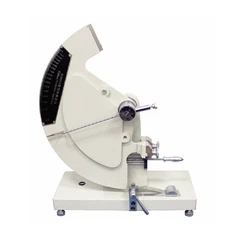
![Filter Paper Tearing Tester]() Filter Paper Tearing TesterElmendorf Tear Tester is used for testing tear strength of a variety of woven fabrics, packaging materials, thick paper board, plastic sheets, electrical tape, etc.read more
Filter Paper Tearing TesterElmendorf Tear Tester is used for testing tear strength of a variety of woven fabrics, packaging materials, thick paper board, plastic sheets, electrical tape, etc.read more -
![Handheld Thickness Tester]() Handheld Thickness TesterThe thickness of the paper refers to the thickness measured after applying a certain amount of pressure on a certain area. This thickness tester is an instrument designed according to this...read more
Handheld Thickness TesterThe thickness of the paper refers to the thickness measured after applying a certain amount of pressure on a certain area. This thickness tester is an instrument designed according to this...read more -
![Oil Filter Bubble Tester]() Oil Filter Bubble TesterThis machine is used to filter, diesel filter leak detection machine.read more
Oil Filter Bubble TesterThis machine is used to filter, diesel filter leak detection machine.read more -
![Oil Filter Performance Tester]() Oil Filter Performance Tester●Measure test flow through high-precise ellipse gear flow meter.read more
Oil Filter Performance Tester●Measure test flow through high-precise ellipse gear flow meter.read more
●Use precise pressure gauge to measure the pressure when oil in and out.
●The working table uses stainless steel, and... -
![Oil Filter Pulse Fatigue Tester]() Oil Filter Pulse Fatigue TesterIt is used to test the shell and seal performance of rotary oil fillter with flow quantity less than 50/min,and the ability to bear high-pressure fluctuation in rated frequency when motor started.read more
Oil Filter Pulse Fatigue TesterIt is used to test the shell and seal performance of rotary oil fillter with flow quantity less than 50/min,and the ability to bear high-pressure fluctuation in rated frequency when motor started.read more -
![Spin-on Oil Filter Dry Leakage Tester]() Spin-on Oil Filter Dry Leakage Tester◆ Rigid clamping system : 3 years warranty program is employedread more
Spin-on Oil Filter Dry Leakage Tester◆ Rigid clamping system : 3 years warranty program is employedread more
◆ Patented clamping system : No need to change collets according to tap hole size (M18 ~ M26).
◆ Reliable test...


Why Choose Us
Quality assurance
In terms of quality assurance, the company strictly follows the standards and norms of the industry quality system. Adopt industry-leading testing equipment to ensure product quality and good reputation.
Rich experience
Has a long-standing reputation in the industry, which makes it stand out from its competitors. With over many years of experience, they have developed the skills necessary to meet their clients' needs.
High quality products
We always put customer needs and expectations in the first place, refine on, continuous improvement, to seek every opportunity to do better, to provide customers with their expectations of quality products, to provide customers with the most satisfactory service at anytime.
Competitive Prices
We offer our products at competitive prices, making them affordable for our customers. We believe that high-quality products should not come at a premium, and we strive to make our products accessible to all.
Efficient and convenient
The company has established marketing networks around the world to provide high-quality services to customers in an efficient and convenient manner.
Professional team
We have a team of skilled and experienced professionals who are well-versed in the latest technology and industry standards. Our team is dedicated to ensuring that our customers get the best service and support possible.

How Do Filter Testers Determine the Efficiency of an Air Filter
Filter testers determine the efficiency of an air filter by measuring the reduction in particle concentration within an air stream as it passes through the filter. This is typically done using a controlled environment where particles of a certain size range are introduced into the airflow. The initial concentration of particles is measured, and the air is then passed through the filter. Subsequent particle concentration measurements are taken on the filtered side. By comparing the before and after concentrations, the efficiency of the filter in capturing particles is calculated.
How to Stay Updated with the Latest Advancements in Filter Paper and Filter Tester Technology
Professional Organizations
Join professional organizations related to air filtration, such as the American Society of Heating, Refrigerating and Air-Conditioning Engineers (ASHRAE) or the International Society of Automation (ISA). These organizations often provide access to research papers, technical standards, and conferences where the latest developments are discussed.
Conferences and Workshops
Attend industry conferences, workshops, and seminars dedicated to air filtration and environmental technology. These events are excellent platforms to learn about emerging trends, new product releases, and innovative applications of filter paper and testers.
Continuing Education Courses
Enroll in continuing education courses offered by educational institutions or online platforms that specialize in environmental science and engineering. These courses often cover the latest advancements in materials science, which directly impacts the development of filter paper technologies.
Industry Publications and Journals
Subscribe to industry publications, journals, and magazines like "Air Conditioning, Heating & Refrigeration News," "Environmental Science & Technology," or "Journal of Aerosol Science." Regularly reading these publications keeps you informed about the latest research findings, product reviews, and technological breakthroughs.
Technical Standards Bodies
Participate in the development of technical standards and guidelines through bodies like ISO (International Organization for Standardization) or ASTM (American Society for Testing and Materials). Engaging in these processes gives insights into the evolving requirements and specifications for filter materials and testing equipment.
Online Forums and Social Media Groups
Engage with online communities and social media groups focused on environmental technology and air filtration. Platforms like LinkedIn, ResearchGate, and specialized forums allow professionals to share knowledge, ask questions, and stay abreast of the latest discussions.
Patent Databases
Monitor patent databases such as USPTO (United States Patent and Trademark Office) or WIPO (World Intellectual Property Organization) to discover novel inventions and innovations in filter materials and testing apparatuses.
Company Newsletters and Websites
Subscribe to newsletters and visit the websites of leading companies in the field of air filtration. These resources often announce new product launches, technological improvements, and corporate partnerships that shape the industry.
University Collaborations
Establish connections with university departments that conduct research in environmental engineering and material sciences. Universities are hubs for cutting-edge research and can provide early access to new technologies and prototypes.
Trade Shows and Expos
Visit trade shows and expositions where manufacturers and suppliers showcase their latest products and services related to filter paper and testers. Networking at these events can lead to valuable collaborations and partnerships.
What Are the Emerging Trends in the Filter Paper and Filtration Tester Market
High-Performance Materials
The demand for filter papers made from advanced materials such as nanofibers, composite materials, and biodegradable options is growing. These materials offer enhanced filtration efficiency, durability, and sustainability.
Smart Sensing Technologies
Integration of smart sensors within filter papers is becoming increasingly popular. These sensors can monitor the condition of the filter in real-time, providing data on particle load, pressure drop, and filter saturation.
Automation and Miniaturization
Filter testers are becoming more automated and compact, enabling faster and more accurate testing. This trend is driven by the need for high-throughput quality control in manufacturing processes and the desire for space-saving equipment in laboratories.
Digitalization and IoT
The integration of Internet of Things (IoT) technology allows for remote monitoring and management of filtration systems. This enables predictive maintenance and optimizes operational efficiency.
Environmental Regulations
Stricter environmental regulations globally are driving the need for improved air and water filtration systems. As a result, there is a focus on developing filter papers that can effectively capture smaller particles while minimizing environmental impact.
Personalized Solutions
There is a trend towards customization of both filter papers and testing equipment to meet specific industry needs. For instance, the medical sector may require filters with higher levels of biocompatibility, while the food industry might prioritize filters that prevent the transfer of odors and flavors.
Energy Efficiency
With rising energy costs and concerns about sustainability, there's a push towards designing filter systems that consume less power. This involves optimizing the design of both the filter media and the testing equipment to reduce energy usage without compromising performance.
Collaborative Research and Development (R&D)
Companies and research institutions are collaborating more frequently to develop new filter materials and testing methods. These partnerships facilitate the exchange of knowledge and resources, accelerating innovation.
Non-Woven Technologies
Non-woven fabrics are being explored as an alternative to traditional woven filter papers. They offer advantages such as increased porosity and flexibility, which can improve filtration performance and reduce costs.
Global Market Expansion
Emerging markets in Asia-Pacific, Latin America, and Africa present significant growth opportunities for filter paper and tester manufacturers. As these regions industrialize, they require advanced filtration solutions to meet environmental standards and ensure product quality.
In What Ways Can Filter Testers Be Used to Improve HVAC System Design
Filter testers play a vital role in the design and optimization of HVAC systems by allowing engineers and designers to assess the performance of filters under various conditions. By understanding how different filters behave in terms of particle capture efficiency, airflow resistance, and pressure drop, HVAC system designers can select appropriate filters that balance these factors to achieve desired air quality with optimal energy efficiency. Furthermore, filter testers can aid in the development of custom filter solutions tailored to specific environments or requirements, enhancing the overall performance of the HVAC system.

What Are the Limitations and Challenges of Using Filter Testers
1
Limited Representation of Real-World Conditions
Filter testers typically operate under controlled and idealized conditions. However, in real-world applications, filters may encounter more complex and variable conditions, such as different fluid compositions, temperatures, and pressures. This can make it difficult to accurately simulate and predict the performance of filters in actual operating environments.
2
Particle Characteristics and Measurement Accuracy
Measuring and characterizing particles is a critical aspect of filter testing. However, particles can vary in size, shape, and composition, which can pose challenges to accurate measurement. Small particles or particles with complex geometries may be more difficult to detect and quantify, potentially leading to inaccuracies in the test results.
3
Interference and Contamination
During the testing process, external factors such as contamination or interference from other substances can affect the test results. Contaminants in the test sample or improper sample handling can introduce errors and bias into the measurements, compromising the accuracy and reliability of the data.
4
Limited Testing Scope
Filter testers may be designed to evaluate specific parameters or characteristics of filters, but they may not cover the full range of possible performance factors. For example, some testers may focus on particle filtration efficiency but may not consider factors like pressure drop, mechanical durability, or chemical compatibility.
5
Cost and Complexity
Advanced filter testers can be expensive and require specialized knowledge and skills to operate and maintain. The cost of purchasing, calibrating, and validating the test equipment can be a significant burden, especially for smaller organizations or those with limited resources.
6
Validation and Calibration Requirements
To ensure the accuracy and reproducibility of test results, filter testers need to be properly validated and calibrated. This involves establishing standard reference materials and procedures, and adhering to strict quality control measures. Any deviations or errors in the calibration process can introduce uncertainty into the test results.
7
Limited Correlation to Field Performance
While filter testers can provide valuable data, there can be limitations in correlating the test results to the actual field performance of filters. Field conditions may include unforeseen factors, variable operating conditions, and interactions with other system components that are not fully captured in the tester environment.
8
Interpretation of Results
Interpreting the test results requires expertise and an understanding of the underlying filtration principles and the specific application context. Misinterpretation or incorrect analysis of the data can lead to incorrect conclusions about the performance of the filter.
9
Rapidly Evolving Technologies and Standards
The field of filtration is constantly evolving, and new technologies and standards may emerge. Keeping up with the latest advancements and ensuring test methods are aligned with industry best practices can be a challenge.
10
Limited Applicability to Specific Filters
Different types of filters may have unique characteristics and requirements that may not be adequately addressed by standard filter testers. Customized testing methods or specialized equipment may be necessary to evaluate the performance of certain filters or in specific application scenarios.
What Is the Role of Filter Testers in the Filtration Process
Measurement of Filter Performance
Filter testers are used to measure and evaluate the performance of filters. They can determine factors such as filtration efficiency, pressure drop, particle retention, and flow rate. This information helps to assess the effectiveness of the filter in removing specific contaminants or particles.
Quality Control and Validation
Filter testers are essential in quality control to ensure that filters meet the required specifications and performance standards. By conducting tests, they can identify any defects, malfunctions, or deviations from the desired filtration characteristics.
Process Optimization
By analyzing the test results, filter testers enable the optimization of the filtration process. They help in determining the appropriate filter type, size, and configuration for a specific application, ensuring optimal filtration performance while minimizing costs and energy consumption.
Filter Maintenance and Replacement
Filter testers can assist in determining when filters need maintenance or replacement. By monitoring the performance over time, they can indicate when the filter has reached its saturation point or when it starts to degrade, allowing for timely servicing to maintain efficient filtration.
Problem Identification and Troubleshooting
If there are issues with the filtration process, such as decreased efficiency or increased pressure drop, filter testers can help identify the root cause. They provide valuable insights into potential problems with the filter or other components of the system.
Compliance and Regulatory Requirements
In certain industries, filter testers are used to meet compliance and regulatory standards. They may be required to demonstrate the filtration effectiveness in areas such as air quality, water treatment, or pharmaceutical manufacturing.
Research and Development
Filter testers are valuable tools in the research and development of new filtration technologies and materials. They allow for the evaluation and comparison of different filter designs, helping to drive innovation and improvement.
Customer Confidence and Satisfaction
By using filter testers to demonstrate the performance and quality of filters, manufacturers can build customer confidence. Test results provide assurance that the filters meet the expected standards, leading to higher customer satisfaction.
What Are the Types of Filter Testers Available in the Market


Particle Deposition Testers
These units are used to evaluate the effectiveness of air filters in capturing particles. They measure the number and size of particles that pass through the filter, providing data on particle deposition and retention efficiency.
Pressure Drop Testers
These testers quantify the change in air or fluid pressure as it passes through a filter. Pressure drop is a key indicator of filter resistance and is often correlated with the amount of particulate matter captured.
Flow Rate Testers
Designed to measure the flow of air or liquid before and after filtration, these testers help determine the impact of the filter on the overall flow dynamics.
Differential Pressure Testers
These combine the functionality of flow rate and pressure drop testing to provide a comprehensive analysis of the filter's performance. They simultaneously measure the inlet and outlet pressures to calculate the differential pressure across the filter.
Air Permeability Testers
These devices measure the airflow velocity through a fabric or nonwoven material under a specific pressure. They are particularly useful for testing filter materials in their raw state.
Porosity Testers
Used to determine the void space within a filter medium, these testers help assess the filter's capacity to hold back particles while allowing air or liquid to pass through.
Particle Count Testers
These sophisticated instruments count and size particles that have been filtered out of a fluid stream. They are commonly used in pharmaceutical and semiconductor industries where precise contamination levels must be known.
Bubble Point Testers
Specifically designed for membrane filters, these devices determine the smallest bubble diameter that can penetrate the filter when subjected to increasing pressure on the downstream side.
Water Vapor Transmission Rate (WVTR) Testers
Though not directly related to particle filtration, these testers are crucial for assessing the barrier properties of materials used in certain types of breathable or microporous filters.
Integrated Filter Test Systems
These are advanced, automated systems capable of performing multiple tests sequentially. They can handle a variety of filter sizes and types, offering a complete characterization of the filter's performance.
What Are the Safety Considerations When Using Filter Testers
Equipment Familiarity and Training
Operators should receive comprehensive training on the specific filter tester model in use. This training should cover operational procedures, emergency stop actions, and equipment maintenance. Familiarity with the equipment reduces the likelihood of operator error, which can lead to accidents.
Personal Protective Equipment (PPE)
Operators must wear appropriate PPE at all times. This typically includes safety glasses to protect the eyes from flying debris, gloves to protect hands from chemicals or sharp edges, and closed-toe shoes to protect feet from falling objects or equipment components. If the testing environment involves biohazards or radioactive materials, additional protective clothing and respiratory protection may be required.
Electrical Safety
Filter testers that require electricity must be grounded to prevent electrical shocks. Users should verify that the equipment is properly grounded and that electrical cords and connections are in good condition, free of frayed wires or damaged insulation. It is also advisable to use residual current devices (RCDs) or ground fault circuit interrupters (GFCIs) to mitigate electrical shock risks.
Hazardous Substance Handling
If the filter tester is used with fluids that contain hazardous substances, operators must follow appropriate handling procedures outlined in safety data sheets (SDS). This includes using the correct containers for storage and disposal, as well as observing any special instructions for handling and exposure limits.
Ergonomics
To prevent musculoskeletal disorders, the workstation should be ergonomically designed. This means ensuring that there is enough space for the operator to move safely, that the equipment is accessible without straining, and that there are no tripping hazards in the vicinity.
Pressure and Vacuum Safety
For filter testers that involve pressurized or vacuum conditions, operators must be cautious of sudden pressure changes that could lead to injury from ejected materials or structural failure. Proper pressure relief systems and regular inspection of hoses and fittings are essential.
Contamination Control
In environments where contamination control is critical, such as in pharmaceutical or food processing industries, filter testing should be conducted in a controlled environment to prevent cross-contamination. This might involve the use of clean benches or laminar flow cabinets.
Emergency Preparedness
Operators should know the location of emergency equipment such as eye wash stations, safety showers, and fire extinguishers. Emergency shutdown procedures should be clearly documented and understood by all personnel.
Maintenance and Inspection
Regular maintenance and inspection of the filter tester are vital to ensure its safe operation. Check for any signs of wear, corrosion, or damage that could compromise the integrity of the equipment. Calibration of measurement devices should also be performed at regular intervals to ensure accuracy and safety.
Compliance with Regulations
Operators must be aware of and comply with all relevant occupational health and safety regulations, as well as any industry-specific standards that apply to the use of filter testers.
Our Factory
JiangSu MoEr Filter Machine Co.Ltd the director member of China Internal Combustion Engine Industry Association Filter Branch and the member of China Automobile Manufactures Association Filter Committee, is the complete equipment enterprise specialized in producing filter manufacturing equipment, filter test equipment and molds.

FAQ
Q: How do Filter Testers contribute to quality control in manufacturing?
A: By providing consistent and reliable testing, Filter Testers help maintain quality control in manufacturing, ensuring that filters meet the desired specifications.
Q: Can Filter Testers detect filter leaks or integrity issues?
A: Yes, some Filter Testers have the ability to detect filter leaks or integrity problems, indicating any potential faults in the filter structure.
Q: What are the different types of filter paper?
A: Filter paper can be classified based on the material it is made of, such as cellulose, fiberglass, or synthetic fibers. It can also be classified based on its porosity, which affects its filtration efficiency.
Q: How do Filter Testers handle samples with low particle concentrations?
A: Filter Testers may use specialized sampling techniques or enhanced sensitivity to accurately measure samples with low particle concentrations.
Q: Can Filter Testers provide real-time monitoring of filter performance?
A: Some advanced Filter Testers offer real-time monitoring capabilities, allowing for continuous tracking of filter performance and the ability to detect any changes or deviations.
Q: Are there software options for analyzing and reporting Filter Tester data?
A: Yes, software is often available to analyze and report the data collected by Filter Testers, enabling better visualization and interpretation of the test results.
Q: Can Filter Testers be used for research and development purposes?
A: Absolutely, Filter Testers play a vital role in filter design and development, helping to evaluate and improve the performance of new filter technologies.
Q: What is filter paper?
A: Filter paper is a tissue or non-woven material used for filtration purposes. It is designed to trap particles and impurities while allowing fluids or gases to pass through.
Q: Do Filter Testers comply with industry standards and regulations?
A: Many Filter Testers are designed to meet specific industry standards and regulations, ensuring that the testing procedures and results are valid and accepted.
Q: Can Filter Testers be used to assess the lifespan of a filter?
A: By monitoring the performance of a filter over time, Filter Testers can provide insights into the filter's lifespan and when replacement may be necessary.
Q: What are the applications of filter paper?
A: Filter paper has a wide range of applications, including laboratory filtration, water treatment, air filtration, oil filtration, and food and beverage processing. It is used to remove impurities, particles, bacteria and other contaminants from various substances.
Q: How does a Filter Tester work?
A: Filter Testers work by simulating the actual filtration conditions and analyzing the fluid or gas passing through the filter. They use different methods to measure factors such as filter efficiency, pressure drop, and flow rate.
Q: What are the main parameters measured by a Filter Tester?
A: The main parameters typically measured include filter efficiency (the percentage of particles or substances removed), pressure drop (the resistance the filter offers to the fluid flow), and flow rate (the rate at which the fluid passes through the filter).
Q: Why is filter efficiency testing important?
A: Filter efficiency testing is crucial to ensure that the filter is performing as expected, removing the desired particles or contaminants. It helps in maintaining product quality, complying with regulatory standards, and protecting equipment from damage.
Q: What are the different types of Filter Testers?
A: There are several types of Filter Testers, such as particle counters, pressure gauges, flow meters, and automated test systems. The choice depends on the specific application and testing requirements.
Q: Can Filter Testers be used for both liquid and gas filters?
A: Yes, Filter Testers can be designed to test filters used in both liquid and gas filtration processes.
Q: How do you calibrate a Filter Tester?
A: Calibration is usually done using reference standards or calibration kits specific to the tester. It ensures the accuracy and reliability of the measurements.
Q: What factors affect the accuracy of Filter Tester results?
A: Factors like proper sample preparation, correct tester operation, and calibration, as well as the cleanliness and condition of the filter and testing environment, can impact the accuracy of the results.
Q: Can Filter Testers measure the size of filtered particles?
A: Some Filter Testers have the capability to measure the size distribution of the filtered particles, providing information about the particle size range being removed.
Q: Are there portable Filter Testers available?
A: Yes, there are portable Filter Testers designed for on-site testing, allowing for quick and easy assessment of filters in the field.
As one of the leading filter paper&filter testers manufacturers in China, we warmly welcome you to buy high-grade filter paper&filter testers made in China here from our factory. All machines are with high quality and competitive price.
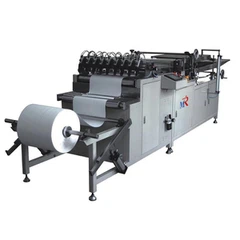
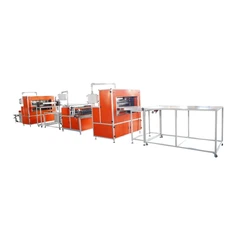
ECO Filter Line, Multilayers Decoiler CNC Knife Pleating Slitting Cross Cutting Line, Full auto Spin on Oil Filter Seaming Machine