



Viscosity after mixing(mPa.s): 3500±500 adjustable
Operation time(min,25℃): 30 adjustable
Turnover time(min,25℃): 150 adjustable
PU Air Filter Line
Your Professional PU Air Filter Line Supplier
JiangSu MoEr Filter Machine Co.Ltd the director member of China Internal Combustion Engine Industry Association Filter Branch and the member of China Automobile Manufactures Association Filter Committee, is the complete equipment enterprise specialized in producing filter manufacturing equipment, filter test equipment and molds.
MoEr is a manufacturer and supplier of air filter production lines and air filter material supply. Our air filter production machines are recognized worldwide for their superior precision and excellent reliability. Today, we have 12 productions of air filter equipment production lines, including HEPA Filter Line, HVAC Filter Line, PU Air Filter Line, PP Air Filter Line, Pocket Air Filter Line, Toyota Air Filter Line, Heavy Duty Air Filter Line, Cabin Air Filter Line, Spin-On Oil & Fuel Filter Line, Filter Paper & Filter Testers, ECO Filter Line and Filter Production Line, which can meet the diverse needs of the industry.
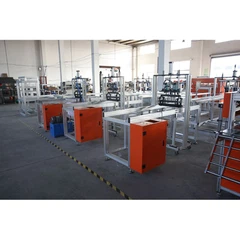
Its PU Air Filter Line includes: Filter Material for PU Air Filter, PU Air Filter Rotary Pleating Machine, PU Air Filter Surface Gluing Machine, PU Air Filter Trimming Machine, PU Caps Gluing Machine, PU Filter Heating Oven and PU Ink-Jet Printing Machine. Their functions in the PU Air Filter Line are:
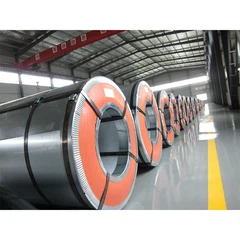
- Filter Material for PU Air Filter: This is the primary filtration medium for PU air filters. It's typically made from materials compatible with polyurethane (PU), offering efficient particle capture and good durability.
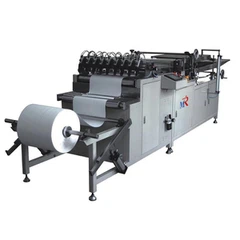
- PU Air Filter Rotary Pleating Machine: This machine is responsible for precisely folding the filter material into a pleated structure. The rotary design allows for continuous operation, increasing production efficiency. The pleats increase the surface area of the filter medium, thereby enhancing filter performance.
- PU Air Filter Surface Gluing Machine: This equipment applies adhesive evenly to the surface of the filter medium. This step is crucial for ensuring strong bonds between filter components, helping to maintain the structural integrity of the filter.
- PU Air Filter Trimming Machine: This machine is responsible for cutting the filter to the correct size and shape. It ensures that each filter meets specifications and fits its intended application and installation space.
- PU Caps Gluing Machine: This machine is specifically designed to bond end caps to the filter. End caps are crucial for sealing the filter ends and providing mounting points, and this machine ensures they are attached correctly and securely.
- PU Filter Heating Oven: The heating oven is used to cure the polyurethane components. By controlling temperature and time, it ensures the PU material is fully cured, enhancing the strength and durability of the filter.
- PU Ink-Jet Printing Machine: This machine adds necessary markings to the filter, such as brand logos, model numbers, specifications, or other important information. It uses ink suitable for PU materials, ensuring the markings are clear and long-lasting.
What is PU Air Filter Line
PU Air Filter Line, commonly known as Polyurethane Air Filter Line, is a type of air filter widely used in various industries to clean and purify air. PU Air Filter Line is made from polyurethane, which is a versatile polymer that exhibits excellent resistance to abrasion, chemicals, and temperature variations.The main purpose of a PU Air Filter Line is to remove contaminants and impurities from the air, delivering clean and purified air for a range of applications. It works by trapping and filtering particles, such as dust, pollen, mold spores, and bacteria, ensuring a healthier and cleaner environment.
Advantages of PU Air Filter Line
01/
Excellent Filtration Efficiency
PU air filters exhibit exceptional filtration efficiency, capable of capturing particles as small as 0.3 microns. This makes them highly effective in removing dust, pollen, mold spores, and other harmful airborne particles. The ability to filter out such small particles ensures a healthier and cleaner environment.
02/
High Dust Holding Capacity
PU air filters have a high dust holding capacity, meaning they can collect and retain a significant amount of dust and other contaminants before requiring replacement. This helps to prolong the lifespan of the filters and reduces frequency of maintenance, resulting in cost savings for businesses and households.
03/
Low Airflow Resistance
PU air filter lines offer low airflow resistance, allowing sufficient air circulation while maintaining exceptional filtration performance. This characteristic is particularly beneficial in industrial applications where maintaining optimal air quality is essential for equipment performance and worker safety. Additionally, low airflow resistance ensures minimal energy consumption, making PU air filter lines an energy-efficient choice.
04/
Durability and Longevity
PU air filters are known for their durability and longevity. They are resistant to damage from chemicals, moisture, and temperature fluctuations, ensuring consistent performance in various environmental conditions. Their robust construction enables PU air filter lines to withstand high-pressure conditions without compromising their filtration efficiency, making them suitable for demanding applications.
05/
Versatility and Customizability
PU air filter lines are versatile and can be customized to suit specific air purification requirements. They can be manufactured in various shapes and sizes to fit different equipment and systems. This flexibility allows for seamless integration into HVAC systems, machinery, automobiles, and more. Moreover, PU air filter lines can be tailored to meet specific standards and regulations, ensuring compliance in industries with stringent air quality requirements.
06/
Easy Installation and Maintenance
PU air filter lines are easy to install and maintain. They can be easily replaced or cleaned, ensuring uninterrupted air filtration. Their user-friendly design simplifies the maintenance process, reducing downtime and enhancing productivity.
-
![Filter Material for PU Air Filter]()
-
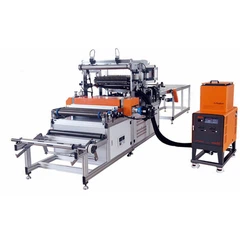
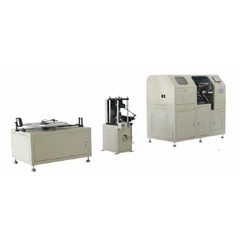
![PU Air Filter Rotary Pleating Machine]() PU Air Filter Rotary Pleating Machine●Both the work speed of the machine and transmission speed of conveyer belt are controlled by computer, and can be easily adjusted.read more
PU Air Filter Rotary Pleating Machine●Both the work speed of the machine and transmission speed of conveyer belt are controlled by computer, and can be easily adjusted.read more
●Both impression and bubble formation are finished on the... -
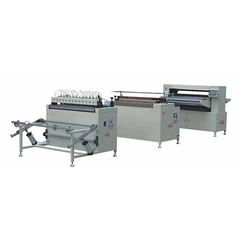
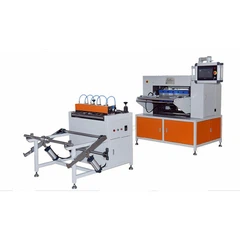
![PU Air Filter Surface Gluing Machine]() PU Air Filter Surface Gluing Machine●Automatic square air filter origami production line is suitable for folding and gluing processing of automobile PU air filter.read more
PU Air Filter Surface Gluing Machine●Automatic square air filter origami production line is suitable for folding and gluing processing of automobile PU air filter.read more
●Automatic square air filter origami production line is... -
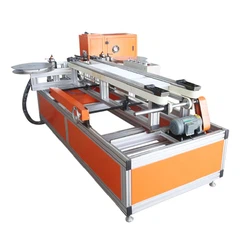
![PU Air Filter Trimming Machine]()
-
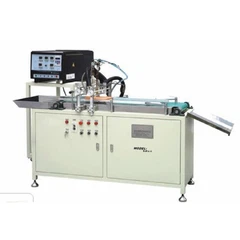
![PU Caps Gluing Machine]() PU Caps Gluing Machine●Tank: stainless-steel tank of three-layer structure with stirring and automatic constant temperature reservation functions.read more
PU Caps Gluing Machine●Tank: stainless-steel tank of three-layer structure with stirring and automatic constant temperature reservation functions.read more
●Pump: slow speed, high accurate flow control pump with precise... -
![PU Filter Heating Oven]() PU Filter Heating Oven● This machine mechanical structure reliability, electrical control convenient, pneumatically operated, quick.read more
PU Filter Heating Oven● This machine mechanical structure reliability, electrical control convenient, pneumatically operated, quick.read more
● A high degree of automation, the height of the product is less than or... -
![PU Ink-Jet Printing Machine]() PU Ink-Jet Printing Machine● There are 3 printing linesread more
PU Ink-Jet Printing Machine● There are 3 printing linesread more
●Character height from 0.8 to 12 mm (0.032” - 0.47”)
●Product speed: up to 300 mt/min (984 ft/min)
●Printing speed: up to 2136 ct/sec


Why Choose Us
Quality assurance
In terms of quality assurance, the company strictly follows the standards and norms of the industry quality system. Adopt industry-leading testing equipment to ensure product quality and good reputation.
Rich experience
Has a long-standing reputation in the industry, which makes it stand out from its competitors. With over many years of experience, they have developed the skills necessary to meet their clients' needs.
High quality products
We always put customer needs and expectations in the first place, refine on, continuous improvement, to seek every opportunity to do better, to provide customers with their expectations of quality products, to provide customers with the most satisfactory service at anytime.
Competitive Prices
We offer our products at competitive prices, making them affordable for our customers. We believe that high-quality products should not come at a premium, and we strive to make our products accessible to all.
Efficient and convenient
The company has established marketing networks around the world to provide high-quality services to customers in an efficient and convenient manner.
Professional team
We have a team of skilled and experienced professionals who are well-versed in the latest technology and industry standards. Our team is dedicated to ensuring that our customers get the best service and support possible.
What Are the Main Components of A PU Air Filter Line
Pre-filter
This is the first line of defense in the filtration process. It captures larger particles such as dust and hair, preventing them from reaching the main filter. A pre-filter helps prolong the lifespan of the main filter and improves its efficiency.
Main filter
The main filter is the heart of the air filter line. It is designed to remove smaller particles such as pollen, mold spores, pet dander, and bacteria. The main filter is made of a high-quality polyurethane material that provides excellent filtration and airflow.
Activated carbon filter
Some PU Air Filter Lines may include an activated carbon filter as an additional component. This filter helps to remove odors, harmful gases, and volatile organic compounds (VOCs) from the air. Activated carbon is highly effective in absorbing and trapping these unwanted substances, leaving the air fresh and clean.
Housing
The housing of the air filter line is responsible for holding all the components together securely. It is usually made of durable materials like plastic or metal. The housing also contains the necessary connections and seals to ensure proper air circulation and prevent leaks.
Motor and fan
The motor and fan are essential components that provide the necessary airflow for the filtration process. The motor powers the fan, which draws in air from the surrounding environment and pushes it through the filter line. This creates a continuous cycle of air cleaning and purification.
Control panel
Some PU Air Filter Lines may have a control panel that allows users to adjust settings such as fan speed, timer, and filter replacement reminders. The control panel provides convenience and control over the filtration process.
Indicator lights
Indicator lights are often included to indicate the current status of the air filter line. They may indicate when the air filter needs replacement, when the unit is in operation, or when there is a malfunction that requires attention.
How Does a PU Air Filter Line Work
Air intake
The PU air filter line starts by drawing in the surrounding air through an intake pipe. This air may contain dust, dirt, pollen, and other pollutants.
Pre-filtering
Before the air reaches the actual air filter, it usually passes through a pre-filter. This pre-filter helps to remove larger particles like leaves, insects, and debris. It acts as the first line of defense against large contaminants that could clog the main air filter.
Air filter
Once the air passes through the pre-filter, it reaches the main air filter, which is typically made of polyurethane foam. The foam material is known for its excellent filtration capabilities, as it can capture tiny particles, including dust, pollen, and even harmful pollutants. The air filter traps these particles and prevents them from entering the engine or the working environment.
Filtration efficiency
The effectiveness of the PU air filter line is determined by its filtration efficiency. This refers to the percentage of particles that the air filter can remove from the air. Higher filtration efficiency means that more contaminants are captured before the air is allowed to pass through.
Filtration maintenance
Over time, the air filter will accumulate a significant amount of trapped particles. To maintain the optimal performance, the filter needs to be periodically cleaned or replaced. Regular maintenance is necessary to prevent clogging, reduce pressure drop, and ensure consistent airflow.
Improved air quality
By removing dust, pollen, and other airborne particles, the PU air filter line significantly improves the quality of the air that enters the engine or the working environment. Cleaner air contributes to better engine performance, reduces wear and tear, and promotes a healthier and safer working environment.
How Is the Efficiency of A PU Air Filter Line Measured
Particle Size Measurement
The efficiency of a filter line is often characterized by its ability to remove particles of different sizes. This is typically measured using particle counters or samplers that can detect and size the particles in the air before and after the filter. Common particle size ranges used for measurement include PM10 (particles with diameters up to 10 micrometers) and PM2.5 (particles with diameters up to 2.5 micrometers).
Filter Rating Systems
There are various rating systems used to classify the efficiency of air filters, such as the Minimum Efficiency Reporting Value (MERV) scale. MERV ratings range from 1 to 16, with higher ratings indicating better filtration efficiency. The MERV rating is based on the filter's ability to remove particles of specific sizes.
Total Particle Removal
Another measure of efficiency is the percentage of total particles removed by the filter line. This can be determined by comparing the particle concentration before and after the filter, taking into account the entire particle size distribution.
Pressure Drop Measurement
The pressure drop across the filter line is also an important parameter. A higher pressure drop indicates that the air is having more difficulty passing through the filter, which can impact the system's energy consumption. However, a higher pressure drop may also indicate a more efficient filter that is trapping more particles.
Dust Holding Capacity
The dust holding capacity of the filter line refers to its ability to accumulate and retain particles before it needs to be cleaned or replaced. This can be measured by weighing the filter before and after use or by monitoring the pressure drop over time.
Performance under Specific Conditions
The efficiency of a filter line can also be evaluated in specific applications or under different environmental conditions. Factors such as air flow rate, humidity, and the presence of specific contaminants may affect the filter's performance.
Laboratory Testing
Filter lines are often tested in laboratory settings using standardized test methods and equipment. These tests may involve subjecting the filter to controlled particle streams and measuring the efficiency and pressure drop.
Types of PU Air Filter Line
Meltblown polyurethane filter media
This type of filter media is made from meltblown polyurethane fibers. The fibers are randomly oriented and form a network structure with high porosity. Meltblown polyurethane filter media provides excellent filtration efficiency, especially in capturing fine particles. It is commonly used in air purifiers, HVAC systems, and respirators.


Woven polyurethane filter media
Woven polyurethane filter media is made by weaving polyurethane fibers into a specific pattern. This creates a filter media that is more structured and mechanically stable. Woven polyurethane filter media provides good filtration efficiency and dust holding capacity. It is commonly used in industrial filtration, dust collection systems, and air filters in commercial and residential applications.
Nonwoven polyurethane filter media
Nonwoven polyurethane filter media is made by bonding polyurethane fibers together through various techniques such as needle punching or thermal bonding. This creates a random and porous structure. Nonwoven polyurethane filter media offers high filtration efficiency and low air resistance. Widely used in air filters for HVAC systems, automotive engines and industrial ventilation.


Electrostatic polyurethane filter media
Static polyurethane filter media has the ability to generate static electricity. This is achieved by applying an electric charge to the polyurethane fibers or using conductive materials. Electrostatic polyurethane filter media increases particle capture efficiency by electrostatically attracting particles. It is commonly used in air purifiers and industrial filtration applications.
Activated carbon polyurethane filter media
Activated carbon polyurethane filter media combines the filtration performance of polyurethane with the adsorption capacity of activated carbon. Activated carbon particles are incorporated into a polyurethane matrix during the manufacturing process. Activated carbon polyurethane filter media effectively removes odors, volatile organic compounds (VOCs) and other harmful substances from the air. It is commonly used in air purifiers and ventilation systems.


Composite polyurethane filter media
Composite polyurethane filter media is a combination of different types of filter media, such as polyurethane with fiberglass or polyester. This type of filter media combines the advantages of each material to provide enhanced filtration performance. Composite polyurethane filter media is used in applications requiring higher filtration efficiency.

Are There Standard Sizes or Dimensions For PU Air Filter Lines
Polyurethane (PU) air filters come in a variety of sizes and dimensions tailored to fit different air handling systems and filtration requirements. While there is no one-size-fits-all standard for PU air filters, manufacturers typically adhere to common dimensions that align with industry-standard sizes for air filters.
The most common dimensions for air filters are based on the overall length and width of the filter, as well as the depth of the foam media. Filters are often categorized by their overall height in inches, such as 1", 2", 4", 6", 8", 10", and so forth. The width and length dimensions vary depending on the application but are usually available in increments of 1" to 6".
A common dimension for a replaceable filter element might be a 4" by 10" by 24" filter, indicating a 4-inch depth of the PU foam media, a 10-inch width, and a 24-inch length. The 4" depth refers to the thickness of the actual filtering material, while the width and length correspond to the area of the airflow that the filter will cover.
The selection of a particular size depends on the airflow requirements of the HVAC (heating, ventilation, and air conditioning) or other air handling systems. Engineers must consider the cubic feet per minute (CFM) of airflow that needs to be filtered and the acceptable level of pressure drop across the filter to ensure optimal system performance.
Filter frames or casings may have standardized dimensions to accommodate the filter media, which are designed to fit into specific filter racks or compartments within the air handling unit. These frame sizes are usually documented in the technical specifications of the air handling unit and are matched with the appropriate filter media size.
While PU air filters do not have universal standard sizes, there is a broad range of common dimensions that align with industry practices. Manufacturers provide a variety of sizes that cater to the diverse needs of different applications, and engineers select the appropriate size based on the airflow demands and the physical constraints of the filtration system.
What Maintenance Is Required For PU Air Filters
1. Periodically inspect PU air filters for any signs of damage, wear, or blockages. Look for tears, punctures, or accumulation of debris that can impede airflow.
2. Replace the PU air filter once it reaches its maximum capacity for particle retention, indicated by a significant increase in differential pressure across the filter or when it no longer meets the required efficiency levels.
3. Some PU air filters are washable, allowing for cleaning with water and mild detergent. Follow the manufacturer’s guidelines for cleaning to ensure the integrity of the filter media is maintained. Allow the filter to dry thoroughly before reinstalling it.
4. Monitor the differential pressure across the filter to gauge its performance and effectiveness. An increase in differential pressure suggests that the filter is becoming clogged and should be replaced or cleaned.
5. Keep the housing and frame of the PU air filter clean and free from debris. Ensure that the seals and gaskets are intact to maintain a tight fit and prevent air leaks.
6. Verify that the PU air filter is properly integrated into the air handling system. Ensure that it is securely mounted and that there are no bypasses around the filter where unfiltered air could enter the system.
7. Protect the PU air filter from excessive moisture and direct exposure to chemicals that could degrade the filter media. Ensure that it is installed in areas protected from environmental extremes.
8. Maintain records of filter maintenance activities, including inspection dates, replacement or cleaning dates, and any observed issues. This information helps schedule future maintenance and identify trends in filter performance.
9. Ensure that personnel responsible for maintenance are trained on the proper procedures for handling, inspecting, cleaning, and replacing PU air filters. This training ensures that filters are handled correctly to avoid damage and maintain their effectiveness.
How Do PU Air Filters Help in Reducing Allergies
Polyurethane (PU) air filters play a significant role in reducing allergens in indoor environments. These filters are designed to capture a wide range of particles, including those that commonly cause allergic reactions.
One of the primary ways PU air filters combat allergies is by trapping airborne allergens such as pollen, dust mites, mold spores, and pet dander. These particles are known to trigger allergic reactions in sensitized individuals. The PU foam material used in these filters has a fine mesh that can capture particles as small as 1-3 microns in diameter, which encompasses many common allergens.
PU air filters can be treated with antimicrobial agents that inhibit the growth of bacteria, fungi, and viruses on the filter surface. This treatment reduces the risk of these microorganisms being released back into the air after passing through the filter, thus minimizing the potential for allergic reactions triggered by microbial contaminants.
The efficiency of PU air filters in removing allergens is often rated according to the MERV (Minimum Efficiency Reporting Value) scale. A higher MERV rating signifies greater effectiveness in capturing smaller particles, which translates to better control over indoor air quality and allergy symptoms.
Regular maintenance and proper care of PU air filters are essential to maintain their performance. Clogged filters allow allergens to pass through, negating the benefits of filtration. Therefore, monitoring the filter's condition, replacing it when necessary, and ensuring it is correctly installed within the air handling system are vital practices for allergy management.
How Do PU Air Filters Compare to Other Filter Materials
Polyester Fibers
Polyester fibers are commonly used in air filters due to their low cost and good filtration efficiency. However, they have lower dust holding capacity and may not perform as well in high-humidity environments.
01
Fiberglass
Fiberglass filters are known for their durability and resistance to high temperatures. They offer good filtration efficiency but may have higher pressure drop and are more prone to shedding fibers, which can be a concern in some applications.
02
Activated Carbon
Activated carbon filters are effective in removing volatile organic compounds (VOCs) and odors from the air. However, they may not be as efficient in trapping particles and have a limited lifespan, as the activated carbon can become saturated over time.
03
HEPA (High-Efficiency Particulate Air) Filters
HEPA filters are designed to remove very small particles, down to 0.3 micrometers in diameter. They offer extremely high filtration efficiency but may have higher pressure drop and are more expensive than other filter materials.
04
PU Air Filters
PU air filters combine the benefits of different materials. They offer good filtration efficiency, high dust holding capacity, and resistance to moisture and chemicals. PU filters are also relatively inexpensive and have a longer lifespan than some other filter materials.
05
How Do You Test the Efficiency of PU Air Filters in Filtering out Particulates
1
Particle Counter
A particle counter is used to measure the number and size of particles in the air before and after it passes through the filter. This provides quantitative data on the filter's ability to remove particulates.
2
Gravimetric Analysis
This method involves weighing the filter before and after the test to determine the amount of particulate matter captured. The difference in weight indicates the filter's efficiency.
3
Optical Particle Sizing
Optical particle sizing techniques use lasers or other light sources to measure the size and concentration of particles. This method can provide detailed information about the particle size distribution and the filter's performance at different particle sizes.
4
Pressure Drop Measurement
Measuring the pressure drop across the filter gives an indication of its resistance to air flow. A higher pressure drop may suggest that the filter is clogged or less efficient.
5
Filter Media Scanning
Electron microscopy or other imaging techniques can be used to analyze the filter media and assess its ability to capture and retain particulates.
6
Standardized Testing Protocols
Some industries have specific standardized testing protocols, such as ASTM (American Society for Testing and Materials) or ISO (International Organization for Standardization) standards, that outline the testing methods and requirements for air filters.
Our Factory
JiangSu MoEr Filter Machine Co.Ltd the director member of China Internal Combustion Engine Industry Association Filter Branch and the member of China Automobile Manufactures Association Filter Committee, is the complete equipment enterprise specialized in producing filter manufacturing equipment, filter test equipment and molds.

FAQ
Q: Are PU air filters suitable for sensitive environments like hospitals or laboratories?
A: Yes, PU air filters are commonly used in sensitive environments like hospitals and laboratories to maintain high air quality and minimize the risk of contamination.
Q: How does a PU air filter line work?
A: A PU air filter line typically starts with the feeding of PU material into a machine that melts and forms it into the desired shape of air filters. The filters are then further processed with cutting, folding, sealing, and packaging before final inspection.
Q: Why is PU material used in air filters?
A: PU material is known for its excellent filtration properties, high durability, and resistance to chemicals and abrasion, making it an ideal choice for air filters.
Q: What are the advantages of using a PU air filter line?
A: Using a PU air filter line ensures production efficiency, precise shaping, consistent quality, and flexibility to customize filters for different applications.
Q: Can PU air filters be used in industrial settings?
A: Yes, PU air filters are commonly used in various industrial settings to provide clean air by removing dust, particles, and contaminants.
Q: Are PU air filters suitable for residential use?
A: Absolutely, PU air filters are also suitable for residential use, providing clean and purified air free from pollutants and allergens.
Q: How do PU air filters contribute to better indoor air quality?
A: PU air filters effectively trap and remove dust, pollen, smoke, pet dander, and other harmful particles, improving the overall air quality indoors.
Q: What maintenance is required for PU air filters?
A: PU air filters need regular maintenance, including cleaning or replacement, depending on the level of air pollution and the manufacturer's guidelines.
Q: Are PU air filters eco-friendly?
A: Yes, PU air filters are eco-friendly as they can be recycled after use. Additionally, their superior filtration efficiency reduces energy consumption and enhances overall sustainability.
Q: Can PU air filters be customized for specific requirements?
A: Yes, PU air filters can be customized in terms of size, shape, filtration efficiency, and sealing techniques to match specific requirements.
Q: What industry standards do PU air filters need to meet?
A: PU air filters should comply with industry standards such as ISO 16890 or EN 779, ensuring that they meet the required filtration efficiency and performance criteria.
Q: How long do PU air filters typically last?
A: The lifespan of PU air filters depends on various factors, including the quality of the filter, the level of air pollution, and maintenance practices. Generally, they can last several months to a year.
Q: Can PU air filters be used in HVAC systems?
A: Yes, PU air filters are commonly used in HVAC (Heating, Ventilation, and Air Conditioning) systems to ensure clean air circulation throughout buildings.
Q: How do PU air filters compare to other filter materials?
A: PU air filters offer several advantages over other filter materials such as fiberglass, including better filtration efficiency, higher dust holding capacity, and longer lifespan.
Q: Can PU air filters withstand high temperatures?
A: PU air filters are known for their excellent temperature resistance, allowing them to withstand high temperatures without compromising their filtration efficiency.
Q: Are PU air filters suitable for use in automotive applications?
A: Yes, PU air filters are widely used in automotive applications to provide clean air to the engine, preventing damage and enhancing its performance.
Q: How do you dispose of PU air filters?
A: PU air filters should be disposed of according to local regulations. In many cases, they can be recycled along with other plastic materials.
Q: Can PU air filters be washed and reused?
A: Some PU air filters are washable and can be reused after cleaning, while others are designed for one-time use only. It is essential to check the manufacturer's instructions.
Q: Can PU air filters remove odors from the air?
A: PU air filters can effectively capture and reduce odors from the air, providing a fresher and more pleasant indoor environment.
Q: How do you determine the right size of PU air filter for an application?
A: The size of a PU air filter for a specific application is determined by considering the airflow requirements, dimensions of the filter housing, and the desired level of filtration efficiency.
As one of the leading pu air filter line manufacturers in China, we warmly welcome you to buy high-grade pu air filter line made in China here from our factory. All machines are with high quality and competitive price.
Bag Filter Galvanized Outer Frame forming Machine, Air Filter Paper To Paper Hotmelt Clipping Machine, Spin On Oil Fuel Filter Line