

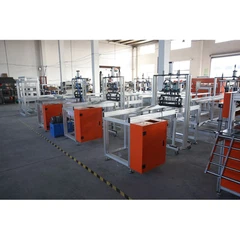

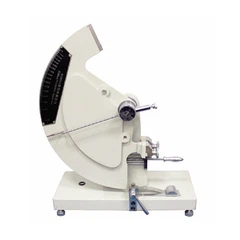
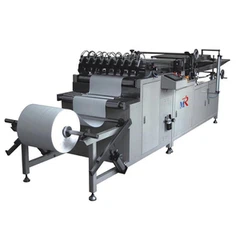
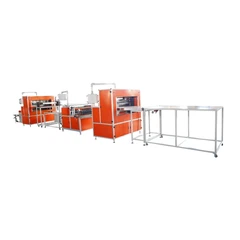
HVAC Filter Line
Your Professional HVAC Filter Line Supplier
JiangSu MoEr Filter Machine Co.Ltd the director member of China Internal Combustion Engine Industry Association Filter Branch and the member of China Automobile Manufactures Association Filter Committee, is the complete equipment enterprise specialized in producing filter manufacturing equipment, filter test equipment and molds.
MoEr is a manufacturer and supplier of air filter production lines and air filter material supply. Our air filter production machines are recognized worldwide for their superior precision and excellent reliability. Today, we have 12 productions of air filter equipment production lines, including HEPA Filter Line, HVAC Filter Line, PU Air Filter Line, PP Air Filter Line, Pocket Air Filter Line, Toyota Air Filter Line, Heavy Duty Air Filter Line, Cabin Air Filter Line, Spin-On Oil & Fuel Filter Line, Filter Paper & Filter Testers, ECO Filter Line and Filter Production Line, which can meet the diverse needs of the industry.
Its HVAC Filter Line includes Filter Paper Knife Pleating Machine, Mesh Knife Pleating Machine, Non-woven and Mesh Hotmelt Compositing Machine and Primary Filter Galvanized Frame Making Machine. Their roles in HVAC Filter Line are:
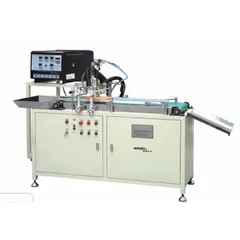
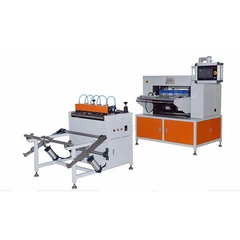
- Filter Paper Knife Pleating Machine: This machine precisely folds and pleats filter paper material, creating a zigzag pattern that increases the surface area of the filter media, enhancing its filtration capacity in HVAC systems.
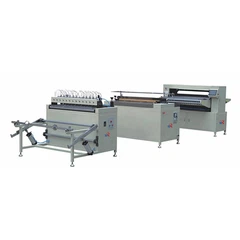
- Mesh Knife Pleating Machine: Similar to the paper pleating machine, this device specifically pleats mesh materials, which are often used as support or pre-filter layers in HVAC filters, improving durability and initial particle capture.
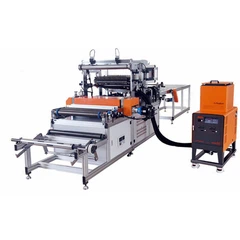
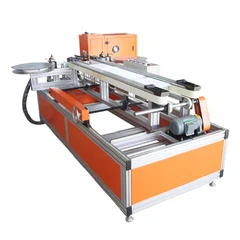
- Non-woven and Mesh Hotmelt Compositing Machine: This machine bonds non-woven fabrics with mesh materials using hot melt adhesives, creating composite filter media that combines the strengths of both materials for improved filtration efficiency and structural integrity in HVAC filters.
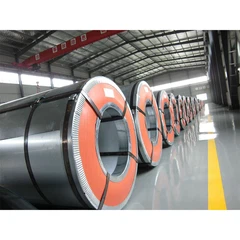
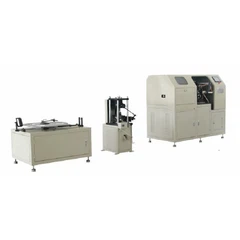
- Primary Filter Galvanized Frame Making Machine: This equipment manufactures galvanized metal frames for primary HVAC filters, providing a sturdy and corrosion-resistant structure to house and support the filter media, ensuring proper fit and function within HVAC systems.
Each of these machines play a specific and crucial role in the HVAC filter production line, contributing to the creation of effective, durable, and high-quality filtration products for heating, ventilation, and air conditioning systems.
-
![Filter Paper Knife Pleating Machine]() Filter Paper Knife Pleating MachineThe pre-slitting machine can accurately and freely adjust the cutting dimensions through frequency converter speed regulation and cylinder blades in different filter sizes. It is simple operated...read more
-
![Mesh Knife Pleating Machine]() Mesh Knife Pleating MachineThe pre-slitting machine can accurately and freely adjust the cutting dimensions through frequency converter speed regulation and cylinder blades in different filter sizes. It is simple operated...read more
-
![Non-woven and Mesh Hotmelt Compositing Machine]() Non-woven and Mesh Hotmelt Compositing MachineAutomatically finish the action of compositing iron wire together with non-woven fabric, neat and firm products got with easy operation and high efficiency.read more
-
![Primary Filter Galvanized Frame Making Machine]() Primary Filter Galvanized Frame Making Machine●Servo tracking cutting system.read more
●Material of the cutting: Cr12Mov with quenched treatment. It can decide cut panel dimension according to the hydraulic drive and PLC computer control system.


Why Choose Us
Quality assurance
In terms of quality assurance, the company strictly follows the standards and norms of the industry quality system. Adopt industry-leading testing equipment to ensure product quality and good reputation.
Rich experience
Has a long-standing reputation in the industry, which makes it stand out from its competitors. With over many years of experience, they have developed the skills necessary to meet their clients' needs.
High quality products
We always put customer needs and expectations in the first place, refine on, continuous improvement, to seek every opportunity to do better, to provide customers with their expectations of quality products, to provide customers with the most satisfactory service at anytime.
Competitive Prices
We offer our products at competitive prices, making them affordable for our customers. We believe that high-quality products should not come at a premium, and we strive to make our products accessible to all.
Efficient and convenient
The company has established marketing networks around the world to provide high-quality services to customers in an efficient and convenient manner.
Professional team
We have a team of skilled and experienced professionals who are well-versed in the latest technology and industry standards. Our team is dedicated to ensuring that our customers get the best service and support possible.
HVAC Filter Line includes
Filter Paper Knife Pleating Machine
What Is Filter Paper Knife Pleating Machine
This machine is mainly used to do the pleating for filter paper, non-woven, wire mesh, and muti-layers filter media.
Filter Paper Knife Pleating Machine Specifications :
-
Maximum width of paper that can be pleated - 610mm, 1000mm, 1220mm, 1500mm.max.
-
Pleat depth - 5mm-100 mm.(Variable)
-
Operating speed Upto - 70 pleats/min (Variable)
-
Pre Marking Unit
-
Paper roll unwinding stand and Paper roll braking unit
-
Pneumatically operated on line toothed and slitting cutters
-
Pre heating platform Heaters upto - 2.0 Kwatts
-
Post heating Heaters upto - 2.0 Kwatts
-
Power : 440 V, 3Ph, 50 Hz, 6 Kwatts
-
Control panel for the above as per electrical norms

Features of Filter Paper Knife Pleating Machine:
-
Operating speed Up to 70 pleats/min (Variable)
-
Hardened blades with slots to adjust as per pleat depth
-
Pleat counter fitted with pleat marker
-
Maximum width of paper that can be pleated is 610 mm,1000 mm or 1200mm
-
Pleat depth min 5mm, max100mm.or as per customer specification
-
Pre heating platform Heaters upto2Kwatts
-
AC variable frequency drive unit
-
Control panel for the above

Filter Paper Knife Pleating Machine Specification
|
Model No. |
B-1100 |
|
Type |
Knife type paper pleating |
|
Used For |
Oil, Fuel Filter Paper Pleating |
|
Capacity |
20-150 pleats/min. |
1.Pleating height: 5 - 55mm
2. Layers pleated: 1 - 5
3. Pleating speed: 20 - 150 pleats/min
4. Max. pleating width: 1100mm
5. Thickness of material: 0.5 - 4mm
6. Speed adjustable motor: 1.5KW
7. Power: 1.5KW 380V Heater Power: 3KW Heat Temperature: 200°C
8. Machine weight: 730KG
9. Machine dimension: 1430mm x 1550mm x 1400mm
10. This machine can be made as customer's requirements.
Filter Paper Knife Pleating Machine suitable for filtering media of different type with useful width up to 1200 mm and pleat height from 5 to 50 mm.
Filtering media roll holder with automatic unwinding;
Media heating control in input and output;
Opposed blades system for pleating the filtering media;
Electronic impulse-counter for counting the pleats;
System of pleat height adjustment carried out with electric motor and control with inverter technology;
Pleat-marker unit with system to impress a visual marker (felt-tip pen) to show the area for the following and possible cutting operation;
Control unit with electric cabinet and touch-screen display for control and programming with programmable recipes that can be recalled from the display.
Blade device for the pre-cut (longitudinal cut) of the filtering media in input or for the side trimming of the reel;
Roll-holder structure with motorized reel uncoiler specific for multilayer filtering media;
Cutting and junction table for filtering media in input to the pleater;
Marker for manual cutting composed of gun for spraying the pleat-marking ink with pneumatic electro-valves for the control of the spraying guns;
Non-Woven And Mesh Hotmelt Compositing Machine

Hot melt adhesive laminating machine is used for producing self-adhesive products, such as self-adhesive tape, double-adhesive tape, foam tape, aluminum foil tape, clean tape, masking tape, etc. It also suitable for laminating different materials, such as non-woven, filter materials, shoes materials, medical material, label, film, etc.
1.Applicable coating film resin: Coating grade like LDPE, PP, EVA, EAA etc.
2.Based material: Non Woven Fabric, Paper (30~425g/m2 ) , Textile Fibre , Knited Mesh, BOPP, BOPET.
3.Inter-layer: Aluminium Foil, CPP, BOPP.

Machine Technical Data
|
1 |
Extrusion die width |
1400mm / 1600MM |
|
2 |
Coating width |
600-1250mm / 900-1600MM |
|
3 |
Max coating speed |
80-150m/min / 100~150m/mi |
|
4 |
Adopt material |
Non woven/ BOPP/Aluminum foil |
|
5 |
Coating thickness |
0.01-0.05mm /0.008-0.05mm |
|
6 |
Inaccuracy thickness of coating film |
±6% /±5% |
|
7 |
Setting range of Auto-tension |
10-200kg/ 10-150kg /entire width (constant tension) |
|
8 |
L/D ratio for screw |
32:1 |
|
9 |
Rewinding roll diameter |
Ø1300mm |
|
10 |
Compound cooling roller |
Ø500×1300mm /Ø500×1700mm |
|
11 |
Max extrusion |
260kg/h /200kg/h |
|
12 |
Total power |
130KW |
|
13 |
Working power |
70-80kw /80-95kw |
|
14 |
Overall size |
L 9800* W 8000* H 3200mm /L9600*W10000*H3250mm |
|
15 |
Weight of Machine |
15000KGS (40HQ*1, 20HQ*1) |
Mesh Knife Pleating Machine
What Is Mesh Knife Pleating Machine
Mesh Knife Pleating Machine find application in the production of parallel accordion type pleats on the filter media and come in pleated, paper roll unwinding stand and paper roll braking unit so as to ensure smooth handling operations.
Product Feature of Mesh Knife Pleating Machine
The Knife type pleating machines are robust, compact and highly functional machines.
They are capable of pleating multi-layered media i.e. fabric and wire mesh, multiple layers of filter papers etc.


The Knife type pleating machines are robust, compact and highly functional machines.
They are capable of pleating multi-layered media i.e. fabric and wire mesh, multiple layers of filter papers etc.
They are versatile and can pleat varieties of materials like:Paper,Cardboard,Synthetic Materials,Copper,Aluminum,Metallic Foils .
Our Factory
JiangSu MoEr Filter Machine Co.Ltd the director member of China Internal Combustion Engine Industry Association Filter Branch and the member of China Automobile Manufactures Association Filter Committee, is the complete equipment enterprise specialized in producing filter manufacturing equipment, filter test equipment and molds.

FAQ
Q: How often should HVAC filters be changed?
Q: What is the difference between pleated and standard HVAC filters?
Q: How do HEPA filters compare to MERV-rated filters?
Q: Can HVAC filters be cleaned and reused?
Q: What is the optimal storage condition for HVAC filters?
Q: How do HVAC filters contribute to energy efficiency?
Q: Are there any health benefits associated with using certain types of HVAC filters?
Q: Can HVAC filters reduce indoor air pollution from outdoor sources?
Q: How do HVAC filters contribute to maintaining comfortable indoor temperatures?
Q: Can HVAC filters be customized for specific applications?
Q: What are the common materials used in HVAC filters?
Q: How does the efficiency of a HVAC filter change over time?
Q: Are there any environmental concerns related to HVAC filters?
Q: Can HVAC filters help in reducing noise pollution?
Q: How does the installation of HVAC filters affect maintenance schedules?
Q: Can HVAC filters help in controlling the humidity levels within a building?
Q: How do HVAC filters contribute to maintaining a stable indoor air pressure?
Q: Are there any special considerations when selecting HVAC filters for medical facilities?
Q: Can HVAC filters be used in combination with other air purification technologies?
Q: What is the effect of HVAC filter usage on reducing the spread of allergens and pollen indoors?
As one of the leading havc filter line manufacturers in China, we warmly welcome you to buy high-grade havc filter line made in China here from our factory. All machines are with high quality and competitive price.
Oil Filter Pulse Fatigue Tester, Oil Filter Invert Seaming Machine, Filter Paper Tearing Tester