


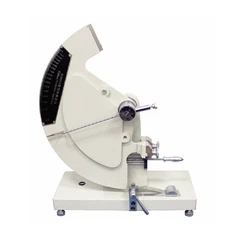

Grammage: 380±38 g/㎡
Thickness: 5.5±1 mm
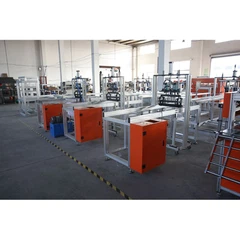
PP Air Filter Line
Your Professional PP Air Filter Line Supplier
JiangSu MoEr Filter Machine Co.Ltd the director member of China Internal Combustion Engine Industry Association Filter Branch and the member of China Automobile Manufactures Association Filter Committee, is the complete equipment enterprise specialized in producing filter manufacturing equipment, filter test equipment and molds.
MoEr is a manufacturer and supplier of air filter production lines and air filter material supply. Our air filter production machines are recognized worldwide for their superior precision and excellent reliability. Today, we have 12 productions of air filter equipment production lines, including HEPA Filter Line, HVAC Filter Line, PU Air Filter Line, PP Air Filter Line, Pocket Air Filter Line, Toyota Air Filter Line, Heavy Duty Air Filter Line, Cabin Air Filter Line, Spin-On Oil & Fuel Filter Line, Filter Paper & Filter Testers, ECO Filter Line and Filter Production Line, which can meet the diverse needs of the industry.
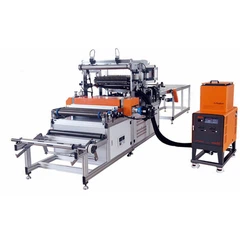
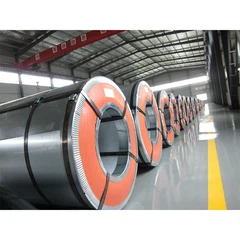
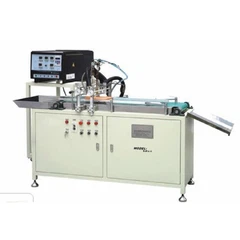
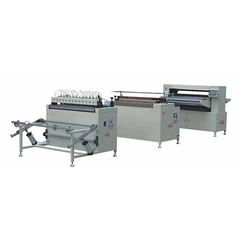
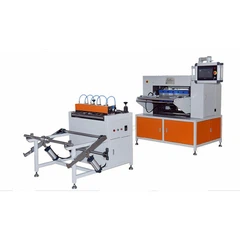
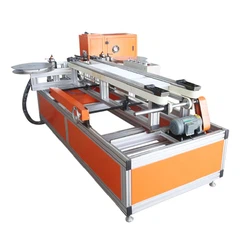
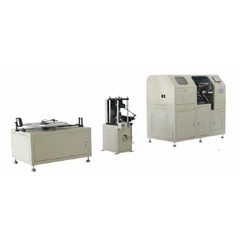
Its PP Air Filter Line includes: Non-Woven Media, PP Injection Machine and Semi-auto Knife Pleating Machine. Their functions in PP Air Filter Line are:
- Non-Woven Media: This is the primary filtration material in PP air filters, typically made from polypropylene fibers. It provides a high surface area and efficient particle capture, allowing for effective air purification in various applications.
- PP Injection Machine: This machine is responsible for producing plastic components, such as frames and support structures, for the air filters. It uses polypropylene (PP) pellets to inject-mold these parts, ensuring durability and chemical resistance in the final filter product.
- Semi-auto Knife Pleating Machine: This equipment precisely folds the non-woven media into a pleated structure. The pleating process significantly increases the surface area of the filter media within a compact space, enhancing the filter's dirt-holding capacity and overall filtration efficiency. The semi-automatic nature of the machine allows for consistent pleat formation while still providing some operator control.
Each of these components plays a crucial role in the PP Air Filter Line, contributing to the production of effective, durable, and efficient polypropylene air filters.
What is PP Air Filter Line
PP Air Filter Line typically refers to a filtration system that uses polypropylene (PP) as the primary material for its air filters. Polypropylene is a thermoplastic polymer used in various applications due to its durability, chemical resistance, and cost-effectiveness. In the context of air filtration, PP filters are designed to remove particulate matter, dust, pollen, and other airborne contaminants from the air stream.
Advantages of PP Air Filter Line
01/
High Filtration Efficiency
PP air filters offer high filtration efficiency, making them effective at capturing a wide range of airborne particles and pollutants. They can remove dust, pollen, pet dander, mold spores, and other allergens from the air, contributing to improved indoor air quality. PP filters can be designed with different filtration ratings, such as MERV (Minimum Efficiency Reporting Value) or HEPA (High-Efficiency Particulate Air), to meet specific filtration requirements.
02/
Chemical Resistance
PP air filters are highly resistant to chemicals and solvents, making them suitable for use in harsh environments. They can withstand exposure to acids, bases, and other corrosive substances without degrading or losing their effectiveness. This chemical resistance makes PP filters ideal for use in industrial or laboratory settings where chemical exposure is common.
03/
Moisture Resistance
PP air filters are also resistant to moisture and humidity, making them suitable for use in damp or wet environments. They do not absorb moisture, preventing the growth of mold or mildew on the filter surface. This makes PP filters ideal for use in bathrooms, kitchens, or other areas with high humidity levels.
04/
Durability and Longevity
PP air filters are highly durable and long-lasting. They are resistant to tearing, punctures, and damage, making them ideal for environments with high dust or debris levels. PP filters can withstand regular cleaning and can be reused multiple times, reducing the need for frequent replacements. This durability and longevity make PP filters a cost-effective choice for air filtration applications.
05/
Low Air Resistance
PP air filters offer low air resistance, allowing for efficient airflow through the HVAC system. This means that the system doesn't have to work as hard to distribute conditioned air, resulting in energy savings and improved overall system performance. Filters with high air resistance can strain the HVAC system, leading to decreased efficiency and increased energy consumption. Compared to materials like fiberglass or pleated paper, PP filters typically have lower air resistance.
06/
Customizability
PP air filters can be customized to meet specific filtration requirements. They are available in various sizes, thicknesses, and configurations, allowing for flexibility in fitting different HVAC systems. Additionally, PP filters can be manufactured with different coatings or treatments to enhance their filtration capabilities, such as antimicrobial coatings or activated carbon for odor control. This customizability makes PP filters suitable for a wide range of applications and environments.
07/
Environmental Considerations
PP air filters are considered more environmentally friendly compared to some other filter materials. They are often reusable and can be cleaned and maintained, reducing waste generation. Additionally, PP filters can be recycled at the end of their lifespan, contributing to sustainability efforts. In contrast, filters made from materials like fiberglass or paper may generate more waste as they need to be replaced more frequently.
08/
Cost-effectiveness
While the initial cost of PP air filters may be higher than some other filter materials, their durability and reusability make them cost-effective in the long run. With proper maintenance and cleaning, PP filters can have a longer lifespan, reducing the frequency of replacements and associated costs. Additionally, the energy savings achieved through their low air resistance can contribute to overall cost savings in HVAC operation.
-
![Non-Woven Media]()
-
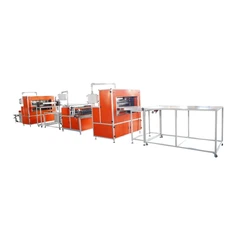
![PP Injection Machine]() PP Injection MachineVertical type, direct pressure mold clamping, vertical injection, small footprint, flexible and precise.read more
PP Injection MachineVertical type, direct pressure mold clamping, vertical injection, small footprint, flexible and precise.read more -
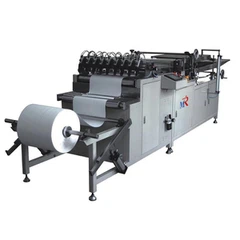
![Semi-auto Knife Pleating Machine]() Semi-auto Knife Pleating MachineThe folding machine adopts upper and lower knife alternatively perform folding, from the knife automatic adjustment by computer, can reach different fold higher requirements, accurate size.read more
Semi-auto Knife Pleating MachineThe folding machine adopts upper and lower knife alternatively perform folding, from the knife automatic adjustment by computer, can reach different fold higher requirements, accurate size.read more


Why Choose Us
Quality assurance
In terms of quality assurance, the company strictly follows the standards and norms of the industry quality system. Adopt industry-leading testing equipment to ensure product quality and good reputation.
Rich experience
Has a long-standing reputation in the industry, which makes it stand out from its competitors. With over many years of experience, they have developed the skills necessary to meet their clients' needs.
High quality products
We always put customer needs and expectations in the first place, refine on, continuous improvement, to seek every opportunity to do better, to provide customers with their expectations of quality products, to provide customers with the most satisfactory service at anytime.
Competitive Prices
We offer our products at competitive prices, making them affordable for our customers. We believe that high-quality products should not come at a premium, and we strive to make our products accessible to all.
Efficient and convenient
The company has established marketing networks around the world to provide high-quality services to customers in an efficient and convenient manner.
Professional team
We have a team of skilled and experienced professionals who are well-versed in the latest technology and industry standards. Our team is dedicated to ensuring that our customers get the best service and support possible.
Types of PP Air Filter Line
Standard Pleated Filters
These are the most basic type of PP air filters. They consist of a non-woven polypropylene media that is pleated to increase the surface area and improve the filter's efficiency. These are ideal for residential, commercial, and light industrial applications where the primary concern is removing large particulates like dust and hair.
Electrostatically Charged Filters
These PP filters feature an electrostatic charge that helps attract and hold particles, even those as small as 0.3 microns. This technology enables these filters to capture more particles than pleated filters alone, making them suitable for environments where cleaner air is desired.
Vehicle Cabin Filters
Specifically designed for automotive applications, these PP filters are installed in vehicle heating, ventilation, and air conditioning (HVAC) systems. They are designed to trap allergens, pollutants, and other contaminants, ensuring that the air entering the vehicle's cabin is cleaner and healthier for occupants.
High-Efficiency Particulate Air (HEPA) Style Filters
While not all PP filters meet HEPA standards, some are designed to resemble HEPA filters in appearance and function. These filters are capable of capturing at least 99.97% of particles 0.3 microns in size, making them ideal for environments requiring high levels of air purity, such as laboratories and healthcare settings.
Combination Filters
Some PP filter lines offer combination filters that incorporate multiple filtration technologies into one unit. For example, a filter might have a layer of activated carbon to adsorb odors and gases alongside the PP filtration media. These are particularly useful in environments where both particulate and odor control are necessary.
Customized Filters
Depending on the manufacturer, some PP air filter lines may offer customization services. Customers can specify the depth, thickness, pleat count, or additional media layers to create a filter perfectly tailored to their unique application requirements.

What Is the Material Used in PP Air Filter Line
PP Air Filter Line typically uses polypropylene (PP) as the main material. Polypropylene is a type of thermoplastic polymer known for its excellent properties, making it suitable for air filtration applications.PP is chosen for the Air Filter Line due to several reasons. Firstly, it offers good mechanical strength, which allows the filter line to withstand the forces and stresses associated with air flow. This ensures the durability and structural integrity of the filter.Secondly, PP has good chemical resistance, making it capable of withstanding exposure to various substances and chemicals. It can resist degradation and corrosion, ensuring the long-term performance of the filter.In addition, PP provides good filtration properties. Its porous structure allows for the effective capture and retention of particles, ranging from small dust and allergens to larger contaminants. The material's pore size and distribution can be tailored to specific filtration requirements.PP is also relatively lightweight, which is an advantage in applications where weight is a consideration. It can be easily manufactured into different shapes and sizes, allowing for customization to fit various filtration systems.Furthermore, PP is a cost-effective material, which makes the PP Air Filter Line an economically viable option. It is readily available and can be produced in large quantities.The use of PP in the Air Filter Line provides a balance of filtration performance, durability, and cost-effectiveness. The material's properties make it well-suited for a wide range of air filtration applications, including HVAC systems, air purifiers, and industrial ventilation.It's important to note that the specific properties and characteristics of the PP material can vary depending on the manufacturer and the intended application. Different grades and formulations of PP may be used to optimize the filter line's performance in terms of filtration efficiency, durability, and other desired traits.When selecting a PP Air Filter Line, it's advisable to consider the specific requirements of the application, such as the size of particles to be filtered, the air flow rate, and any specific environmental conditions. This will ensure the chosen filter line is suitable for the intended use and provides the desired level of air filtration.
How Is the PP Air Filter Line Manufactured
Material selection
High-quality polypropylene (PP) resin is selected as the raw material for the filter line. The choice of PP resin may depend on factors such as melt flow index, mechanical properties, and chemical resistance.
Extrusion
The selected PP resin is fed into an extruder, which melts and shapes the material into a continuous filament. The extrusion process can be controlled to achieve the desired diameter and thickness of the filament.
Filament formation
The extruded filaments are pulled and stretched to align the polymer chains and enhance the mechanical properties of the filter line. This step helps improve the tensile strength and durability of the filter.
Spinning or weaving
The filaments can be spun or woven to create a specific filter structure. This can include techniques such as knitting, weaving, or nonwoven processes, depending on the desired filtration characteristics and application requirements.
Chemical treatment
In some cases, the filter line may undergo chemical treatments to enhance its properties, such as adding static charges for improved particle capture or treating with fire-retardant chemicals for enhanced safety.
Cutting and shaping
The fabricated filter line is cut to the desired length and shape, depending on the specific application. It can be produced in rolls or as custom-sized pieces.
Quality control
Throughout the manufacturing process, strict quality control measures are implemented to ensure the filter line meets specified standards in terms of filtration efficiency, mechanical strength, and other critical parameters.
Packaging and distribution
The finished PP Air Filter Line is packaged for protection during storage and transportation. It is then ready for distribution to customers or for integration into final filtration systems.
What Is the Particle Removal Efficiency of PP Air Filter Line
The particle removal efficiency of PP Air Filter Line depends on several factors, including the filter's construction, particle size, and air flow rate. Here is a general overview of the particle removal efficiency of PP Air Filter Line:PP Air Filter Line is designed to remove a wide range of particles from the air. Its effectiveness in removing particles depends on the size of the particles and the porosity of the filter media.For small particles, such as dust, pollen, and smoke, PP Air Filter Line can achieve high removal efficiencies. It is capable of capturing particles as small as a few micrometers in diameter, effectively improving indoor air quality and protecting sensitive equipment.For larger particles, such as hair, lint, and debris, PP Air Filter Line also demonstrates good removal efficiency. The efficiency may decrease as the particle size increases, as larger particles can more easily bypass the filter media.The particle removal efficiency of PP Air Filter Line can also be influenced by the air flow rate through the filter. Higher air flow rates may result in reduced filtration efficiency, as the particles may not have sufficient contact time with the filter media to be captured. Therefore, it is important to choose a filter with an appropriate air flow rate for the specific application.It's important to note that the particle removal efficiency of PP Air Filter Line may vary depending on the manufacturer, filter construction, and specific application requirements. Different grades and types of PP filter media may be available, each with its own performance characteristics.To ensure the highest possible particle removal efficiency, it is recommended to select a PP Air Filter Line that is specifically designed for the application and meets relevant industry standards. Manufacturer specifications and performance data should be consulted to make an informed decision.In addition, regular maintenance and replacement of the filter are crucial to maintain its efficiency over time. As the filter collects particles, its performance may gradually degrade, and it may become less effective in removing smaller particles. Regular cleaning or replacement of the filter according to manufacturer recommendations is necessary to ensure optimal air filtration.

How Do PP Air Filters Work
Particle capture
The porous structure of the PP material allows air to pass through while trapping particles. The small pores or spaces in the filter media act as a physical barrier, preventing particles from passing through.
01
Size selection
The size of the pores in the PP filter determines the range of particles it can capture. Smaller pores can trap finer particles, while larger pores may let larger particles pass through.
02
Mechanical filtration
As air flows through the filter, particles come into contact with the surface of the PP material. The particles are either adhered to the surface or become trapped within the pores of the filter.
03
Particle retention
Trapped particles accumulate on the surface and within the pores of the PP filter. The retention capacity of the filter depends on factors such as the filter's thickness, surface area, and the number of pores.
04
Clean air passage
The filtered air that passes through the PP filter is now free from the trapped particles, resulting in cleaner and purified air.
05
How Do I Dispose of Used PP Air Filters
1
Begin by separating used PP air filters from other types of waste. This segregation is vital as it ensures that each type of waste is handled appropriately.
2
If possible, wipe down the filters to remove any accumulated dust or debris. This step reduces the amount of pollutants entering the waste stream and minimizes the potential for odor or contamination.
3
Check if your local recycling facilities accept PP air filters. Many PP products can be recycled due to their thermoplastic nature, which means they can be remelted and reshaped into new products. Contact your municipality or a recycling center to inquire about their acceptance policies for such filters.
4
If recycling is not an option, used PP air filters should be disposed of in accordance with standard household waste practices. Place them in a garbage bag and throw them in your trash bin designated for general waste.
5
Familiarize yourself with local laws and regulations regarding the disposal of filters. Certain regions may require special handling or prohibit the disposal of certain types of filters in the regular trash.
6
Depending on the scale of your operations, proper documentation of waste disposal may be necessary for legal and environmental compliance audits. Keep records of the disposal methods used and the quantities of filters disposed of.
7
Some manufacturers offer take-back programs for their used products, including air filters. Inquire if such programs exist for the brand of PP air filters you use and explore the benefits of participating in these initiatives.
Is the PP Air Filter Line Resistant to Chemicals
01.
Acid and alkali resistance
PP air filter series has excellent acid and alkali resistance. It is resistant to common acids such as sulfuric acid, nitric acid and hydrochloric acid, as well as bases such as sodium hydroxide and potassium hydroxide. This makes it suitable for applications in chemical processing, laboratory environments and industrial environments where acidic or alkaline substances may be present.
02.
Solvent Resistance
The PP air filter series also has good solvent resistance. It resists exposure to organic solvents such as acetone, ethanol and methanol. This property makes it useful in applications involving solvent filtration or in industries that use solvents as cleaning agents.
03.
Grease resistance
PP air filter is grease resistant. It can handle exposure to a variety of oils, including mineral oils, vegetable oils and animal fats. This makes it suitable for applications in the food industry where contact with oils and fats may occur during food processing or filtration.
04.
Resistance to other chemicals
In addition to acids, alkalis, and solvents, PP air filter lines also exhibit resistance to other chemicals, such as chlorine, bromine, and certain pesticides. However, it is worth noting that resistance may vary depending on specific chemicals and exposure conditions.
How Does the PP Air Filter Line Handle Moisture
Moisture resistance
The PP air filter range has medium moisture resistance, which means it can withstand exposure to small amounts of moisture without suffering major damage. This makes it suitable for applications in moderate humidity or occasional exposure to moisture.
Absorption and Drainage
The PP material used in the air filter range has certain absorptive properties that allow it to absorb and retain small amounts of moisture. However, the material is also drainage-friendly, allowing moisture to escape over time. This helps prevent excess moisture from building up inside the filter.
Effects of Moisture on Performance
While the PP air filter range can withstand a certain level of moisture, excess moisture can still have an impact on its performance. Moisture can reduce the efficiency of the filter by clogging the pores or affecting the electrostatic charge (if present). It may also increase the risk of microbial growth, further affecting filter performance and air quality.
Moisture-proof measures
In order to ensure that the PP air filter performs optimally in a humid environment, certain measures can be taken. These include proper ventilation to reduce humidity levels, the use of desiccants or hygroscopic materials to control humidity, and regular filter maintenance and replacement to prevent excessive moisture build-up.
Compatibility with Humid Environments
The PP air filter range is generally compatible with moderate humidity levels. However, in extremely humid environments or applications where exposure to large amounts of moisture is expected, alternative materials or specialized filters may be required to ensure reliable performance.
Our Factory
JiangSu MoEr Filter Machine Co.Ltd the director member of China Internal Combustion Engine Industry Association Filter Branch and the member of China Automobile Manufactures Association Filter Committee, is the complete equipment enterprise specialized in producing filter manufacturing equipment, filter test equipment and molds.

FAQ
Q: Are there any alternatives to PP air filters?
A: Yes, there are several alternatives to PP air filters, including HEPA filters, activated carbon filters, and electronic air cleaners. Each type of filter has its own unique features and benefits, depending on the specific application and requirements.
Q: How do I maintain my PP air filter to ensure optimal performance?
A: Maintaining your PP air filter involves regularly inspecting and replacing it as needed, as well as ensuring that it is properly installed and aligned within your HVAC system. It's also a good idea to keep the area around the filter clean and free of debris to prevent clogging and ensure maximum efficiency.
Q: Can PP air filters be used in vehicles?
A: Yes, PP air filters can be used in vehicles to improve air quality within the cabin. They are commonly used in conjunction with other types of cabin air filters to capture dust, pollen, and other airborne particles.
Q: What are the benefits of using a high-quality PP air filter?
A: Using a high-quality PP air filter can provide several benefits, including improved air quality, reduced energy consumption, and longer filter life. High-quality filters are also more effective at capturing smaller particles and can help prevent premature system failures due to clogging or damage from contaminants.
Q: Can PP air filters be used in industrial applications?
A: Yes, PP air filters can be used in a wide range of industrial applications to protect equipment and ensure air quality in harsh environments. They are commonly used in manufacturing plants, warehouses, and other industrial settings to capture dust, fumes, and other airborne contaminants.
Q: How do I know if my PP air filter is dirty or needs to be replaced?
A: Signs that your PP air filter is dirty or needs to be replaced include reduced airflow, increased energy consumption, and poor indoor air quality. You can also inspect the filter visually for dirt buildup or damage. If you notice any of these signs, it's important to replace the filter promptly to ensure optimal performance of your HVAC system.
Q: Are there any environmental considerations when choosing PP air filters?
A: When choosing PP air filters, it's important to consider their environmental impact, including their source of raw materials, manufacturing processes, and disposal options. Choosing filters made from recycled materials or those with a higher efficiency rating can help reduce energy consumption and improve air quality, contributing to a more sustainable environment.
Q: Can PP air filters be customized for specific applications?
A: Yes, PP air filters can be customized for specific applications to meet unique requirements, such as size, shape, efficiency rating, and mounting options. Customization allows for optimal performance and integration within a wide range of HVAC systems and industrial applications.
Q: How do I choose the right size of PP air filter for my application?
A: Choosing the right size of PP air filter involves considering the airflow requirements of your HVAC system and the amount of space available for the filter. It's important to select a filter that is the correct size to ensure optimal performance without causing unnecessary resistance to air flow. Consult with an HVAC professional or the filter manufacturer for guidance on selecting the appropriate size of filter for your application.
Q: What is the lifespan of a typical PP air filter?
A: The lifespan of a typical PP air filter can vary widely depending on the specific application, usage, and maintenance practices. Some filters may only last a few months while others can last up to a year or more under ideal conditions. Regular inspection and maintenance are key to maximizing the lifespan of your PP air filter.
Q: Can PP air filters be used in combination with other types of filters?
A: Yes, PP air filters can often be used in combination with other types of filters to achieve even greater efficiency and effectiveness in filtering out airborne particles. For example, a pleated PP filter might be used in conjunction with an activated carbon filter to capture both particulate matter and odors from the air. Combining different types of filters can help ensure optimal air quality in a variety of applications.
Q: How do PP air filters work?
A: PP air filters work by trapping particles as air passes through the filter medium. The fibers in the filter create a web that captures particles based on size, shape, and inertia.
Q: What are the advantages of PP air filters over other types of filters?
A: PP air filters have several advantages, including high efficiency, low resistance to air flow, chemical resistance, and durability. They are also less expensive than some other types of filters, making them a cost-effective option for many applications.
Q: Are PP air filters safe to use?
A: Yes, PP air filters are safe to use and are commonly used in both residential and commercial settings. They do not emit harmful substances and are designed to filter out harmful particles from the air.
Q: How often should PP air filters be replaced?
A: The frequency of replacing PP air filters depends on several factors, including the quality of the filter, the level of air pollution, and the usage of the HVAC system. Generally, filters should be inspected and replaced at least once per year, or as recommended by the manufacturer.
Q: Can PP air filters be cleaned and reused?
A: Some PP air filters are designed to be reusable and can be cleaned with water or a vacuum cleaner. However, not all PP filters are reusable, so it's important to check with the manufacturer before attempting to clean and reuse a filter.
Q: What are the different types of PP air filters available?
A: There are several types of PP air filters available, including pleated filters, bag filters, and panel filters. Each type has its own unique features and benefits, depending on the specific application and requirements.
Q: How do I know if a PP air filter is suitable for my application?
A: To determine if a PP air filter is suitable for your application, you should consider factors such as the size of the particles you want to filter out, the volume of air you need to filter, and the level of air quality you require. It's also a good idea to consult with an HVAC professional or the filter manufacturer to ensure that you choose the right type of filter for your needs.
Q: What is the efficiency rating of PP air filters?
A: The efficiency rating of PP air filters is typically expressed as a percentage of particles removed from the air. The rating can range from about 20% to over 99%, depending on the type and quality of the filter.
Q: Can PP air filters be used in medical settings?
A: Yes, PP air filters can be used in medical settings to ensure that the air quality meets strict health and safety standards. They are commonly used in hospitals, clinics, and laboratories to filter out harmful particles and pathogens from the air.
As one of the leading pp air filter line manufacturers in China, we warmly welcome you to buy high-grade pp air filter line made in China here from our factory. All machines are with high quality and competitive price.
Pocket Air Filter Line, Bag Filter Galvanized Outer Frame forming Machine, PU Air Filter Trimming Machine