

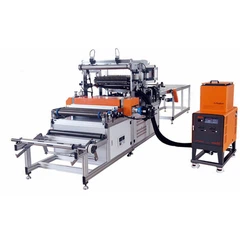
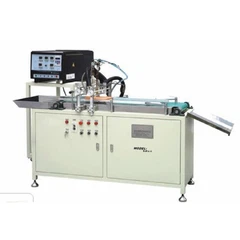
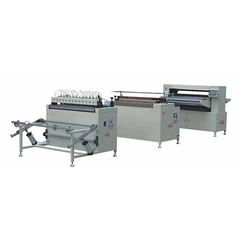
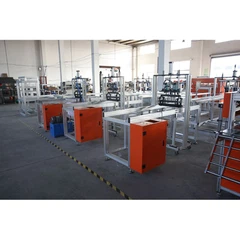
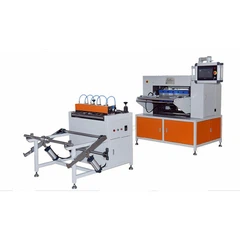

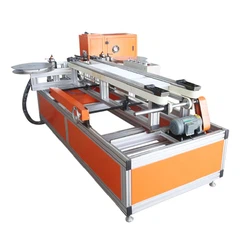
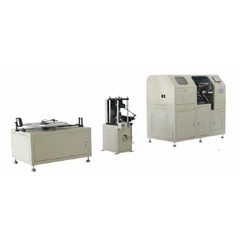
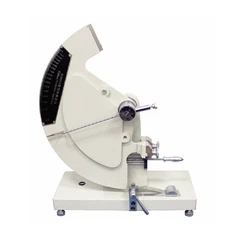
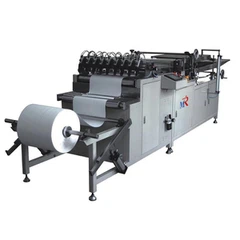
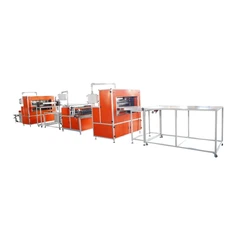

●The machine adopts the rotating disk drying, the machine cover an area of an area small, feeding and unloading material more convenient.
●Product drying temperature can be arbitrary...
Heavy Duty Air Filter Line
Your Professional Heavy Duty Air Filter Line Supplier
JiangSu MoEr Filter Machine Co.Ltd the director member of China Internal Combustion Engine Industry Association Filter Branch and the member of China Automobile Manufactures Association Filter Committee, is the complete equipment enterprise specialized in producing filter manufacturing equipment, filter test equipment and molds.
MoEr is a manufacturer and supplier of air filter production lines and air filter material supply. Our air filter production machines are recognized worldwide for their superior precision and excellent reliability. Today, we have 12 productions of air filter equipment production lines, including HEPA Filter Line, HVAC Filter Line, PU Air Filter Line, PP Air Filter Line, Pocket Air Filter Line, Toyota Air Filter Line, Heavy Duty Air Filter Line, Cabin Air Filter Line, Spin-On Oil & Fuel Filter Line, Filter Paper & Filter Testers, ECO Filter Line and Filter Production Line, which can meet the diverse needs of the industry.
Heavy Duty Air Filter Line includes 16-Station HDAF Turntable Curing Oven, Air Filter Paper To Paper Hotmelt Clipping Machine,Auto Air Filter Spiral Machine With Metal Strips,Filter Mesh Expanding Machine,Filter Paper Rotary Pleating Machine,Full-Auto Air Filter Spiral Machine With Already Expanded Mesh,HDAF Horizontal Gluing Machine,HDAF Hotmelt Threading Machine,HDAF Mesh Cutting& Rolling Machine,Mesh Flattening Machine,Mutilayers Mesh Horizontal Hotmelt Gluing Machine,PVC Caps Gluing Machine and Two Components Filter Caps Gluing Machine. Their features are as follows:
- 16-Station HDAF Turntable Curing Oven: A rotary oven designed for efficient and uniform curing of heavy-duty air filters.
- Air Filter Paper To Paper Hotmelt Clipping Machine: Specializes in joining air filter paper components using hot melt adhesive for secure connections.
- Auto Air Filter Spiral Machine With Metal Strips: Automates the process of creating spiral-wound air filters with integrated metal strips for enhanced durability.
- Filter Mesh Expanding Machine: Expands filter mesh material to increase surface area and improve filtration efficiency.
- Filter Paper Rotary Pleating Machine: Creates precise pleats in filter paper to maximize the filtration surface area in a compact form.
- Full-Auto Air Filter Spiral Machine With Already Expanded Mesh: Automates the production of spiral air filters using pre-expanded mesh material for increased efficiency.
- HDAF Horizontal Gluing Machine: Applies adhesive horizontally to heavy-duty air filter components for assembly.
- HDAF Hotmelt Threading Machine: Utilizes hot melt adhesive to secure threading in heavy-duty air filters for improved structural integrity.
- HDAF Mesh Cutting & Rolling Machine: Precisely cuts and rolls filter mesh material for heavy-duty air filter production.
- Mesh Flattening Machine: Smooths and flattens filter mesh material to ensure uniform thickness and quality.
- Mutilayers Mesh Horizontal Hotmelt Gluing Machine: Applies hot melt adhesive to multiple layers of mesh material horizontally for complex filter designs.
- PVC Caps Gluing Machine: Specializes in attaching PVC end caps to air filters using adhesive for a secure seal.
- Two Components Filter Caps Gluing Machine: Designed for applying adhesive to and attaching two-component filter end caps, ensuring a proper seal and fit.
Each of these machines plays a specific role in the production of heavy-duty air filters, from material preparation to assembly and finishing, contributing to the efficient manufacturing of high-quality air filtration products.
What is Heavy Duty Air Filter Line
The "Heavy Duty Air Filter Line" typically refers to a series of air filters designed for use in demanding or harsh environments where standard air filters may not be sufficient. These filters are typically rated to handle higher volumes of air, larger particles, and/or specific contaminants than standard filters.
Advantages of Heavy Duty Air Filter Line
01/
Enhanced Filtration Efficiency
Heavy-duty air filters are designed to provide superior filtration efficiency, effectively capturing and removing a variety of contaminants from the air. These filters are typically made from high-quality materials and advanced filter media that effectively capture particles, dust, pollen, mold spores, and other airborne contaminants.
02/
Improves air quality
Heavy-duty air filters help improve indoor air quality by effectively removing pollutants from the air. This is particularly important in industries such as manufacturing, construction, mining and agriculture, where workers are exposed to high concentrations of air particles and pollutants. Improved air quality promotes a healthier, safer work environment and reduces the risk of respiratory illnesses and other health problems.
03/
Protect Equipment and Machinery
Heavy-duty air filters play a vital role in protecting sensitive equipment and machinery from damage caused by airborne contaminants. In industries such as automotive, aerospace and manufacturing, where precision and reliability are critical, clean air is critical to preventing clogging, corrosion and premature wear of critical components. Heavy-duty filters help maintain peak performance and extend the life of your expensive equipment.
04/
Improved Energy Efficiency
Heavy-duty air filters are designed to minimize airflow resistance while maintaining high filtration efficiency. By reducing pressure drop and optimizing airflow, these filters help improve the energy efficiency of HVAC systems and industrial processes. Improving energy efficiency can reduce energy consumption, lower operating costs and reduce your carbon footprint.
05/
Customization options
Heavy-duty air filter lines often offer a variety of customization options to meet specific application requirements. This includes options for different filter sizes, configurations and media types. Customization allows industries to tailor air filtration systems to their unique needs, ensuring optimal performance and compatibility with existing equipment and processes.
06/
Meets Industry Standards
Heavy-duty air filters are designed and manufactured to meet or exceed industry standards and regulations. This ensures that filters meet specific performance and quality requirements, providing peace of mind to industries operating in a regulated environment. Adherence to industry standards also demonstrates a commitment to quality and reliability.
-
![16-Station HDAF Turntable Curing Oven]()
-
![Air Filter Paper To Paper Hotmelt Clipping Machine]() Air Filter Paper To Paper Hotmelt Clipping Machine●The operation and maintenance of the machine must be performed by professionally trained or hands-on personnel;read more
Air Filter Paper To Paper Hotmelt Clipping Machine●The operation and maintenance of the machine must be performed by professionally trained or hands-on personnel;read more
●To prevent long hair from getting involved in the running part of the... -
![Auto Air Filter Spiral Machine with Metal Strips]() Auto Air Filter Spiral Machine with Metal Strips● This machine is used to produce the inner and outer mesh tube for heavy duty air filters directly from metal strips to tubes.read more
Auto Air Filter Spiral Machine with Metal Strips● This machine is used to produce the inner and outer mesh tube for heavy duty air filters directly from metal strips to tubes.read more
● The metal strip will be expanded and flattened before... -
![Filter Mesh Expanding Machine]() Filter Mesh Expanding Machine●The machine is equipped with single materials feeding system, which feed correctly and easy to adjust the length.read more
Filter Mesh Expanding Machine●The machine is equipped with single materials feeding system, which feed correctly and easy to adjust the length.read more
●Auto-cut according to set length.
●Different rhombus net produced... -
![Filter Paper Rotary Pleating Machine]() Filter Paper Rotary Pleating Machine●The pre-slitter uses pneumatic cutting round knife, which is adjusted simply and pressed evenly.read more
Filter Paper Rotary Pleating Machine●The pre-slitter uses pneumatic cutting round knife, which is adjusted simply and pressed evenly.read more
●This machine equips the pre-heating and water steam device to prevent the paper breaking... -
![Full-auto Air Filter Spiral Machine with Already Expanded Mesh]() Full-auto Air Filter Spiral Machine with Already Expanded...●The machine can easily change the diameter of screw tube in a short time.read more
Full-auto Air Filter Spiral Machine with Already Expanded...●The machine can easily change the diameter of screw tube in a short time.read more
●Cut the needed length according to what the customers' specification
●Clutch can be adjusted according to... -
![HDAF Horizontal Gluing Machine]() HDAF Horizontal Gluing Machine●The inner and outer mesh is well posited together with paper by the hot melt. And the paper is in tucked even under big air pressure.read more
HDAF Horizontal Gluing Machine●The inner and outer mesh is well posited together with paper by the hot melt. And the paper is in tucked even under big air pressure.read more
●The filter gulled with hot melt will prevent the... -
![HDAF Hotmelt Threading Machine]() HDAF Hotmelt Threading Machine●This machine is suitable for a plurality of glass fiber line, line, hot melt adhesive intertwined.read more
HDAF Hotmelt Threading Machine●This machine is suitable for a plurality of glass fiber line, line, hot melt adhesive intertwined.read more
●Product spacing through computer set control, high precision.
●Winding way... -
![HDAF Mesh Cutting& Rolling Machine]() HDAF Mesh Cutting& Rolling Machine●This machine can cut and roll round automatically according to the product size change.read more
HDAF Mesh Cutting& Rolling Machine●This machine can cut and roll round automatically according to the product size change.read more
●This machine can according to different specifications of the filter height, precise adjustment,... -
![Mesh Flattening Machine]() Mesh Flattening Machine●Mesh thickness: 0.3~1mmread more
Mesh Flattening Machine●Mesh thickness: 0.3~1mmread more
●Max.mesh width: ≦1200mm
●Speed of shaft: 8circles/min -
![Mutilayers Mesh Horizontal Hotmelt Gluing Machine]() Mutilayers Mesh Horizontal Hotmelt Gluing Machine●Read and understand all the contents of this manual;read more
Mutilayers Mesh Horizontal Hotmelt Gluing Machine●Read and understand all the contents of this manual;read more
●Before the machine starts, must make sure that there are no unsafe factors around and install a shield;
●The total power... -
![PVC Caps Gluing Machine]() PVC Caps Gluing Machine●This machine can glue evenly with wide using range.read more
PVC Caps Gluing Machine●This machine can glue evenly with wide using range.read more
●Using the double sealing modes, to make the nozzle break off glue thoroughly after gluing.


Why Choose Us
Quality assurance
In terms of quality assurance, the company strictly follows the standards and norms of the industry quality system. Adopt industry-leading testing equipment to ensure product quality and good reputation.
Rich experience
Has a long-standing reputation in the industry, which makes it stand out from its competitors. With over many years of experience, they have developed the skills necessary to meet their clients' needs.
High quality products
We always put customer needs and expectations in the first place, refine on, continuous improvement, to seek every opportunity to do better, to provide customers with their expectations of quality products, to provide customers with the most satisfactory service at anytime.
Competitive Prices
We offer our products at competitive prices, making them affordable for our customers. We believe that high-quality products should not come at a premium, and we strive to make our products accessible to all.
Efficient and convenient
The company has established marketing networks around the world to provide high-quality services to customers in an efficient and convenient manner.
Professional team
We have a team of skilled and experienced professionals who are well-versed in the latest technology and industry standards. Our team is dedicated to ensuring that our customers get the best service and support possible.
What Are the Materials Commonly Used in Heavy Duty Air Filter Lines
Polyester fibers
Polyester fibers are often chosen for their durability and ability to trap a wide range of particles. They can withstand harsh conditions and are resistant to wear and tear. Polyester filters are commonly used in industrial and commercial applications where high filtration efficiency is required.
Fiberglass
Fiberglass media is known for its strength and durability. It can handle high air flow rates and is effective in capturing both large and small particles. Fiberglass filters are often used in heavy-duty air filtration systems, particularly in dusty or dirty environments.
Activated carbon
Activated carbon is a highly porous material that has excellent adsorption properties. It is commonly used in Heavy Duty Air Filter Lines to remove odors, volatile organic compounds (VOCs), and other gaseous contaminants. Activated carbon helps improve the air quality by reducing unpleasant smells and harmful substances.
Non-woven synthetic fibers
These fibers are made through a bonding process that creates a strong and uniform filter medium. Non-woven synthetic fibers offer good filtration efficiency and are often used in air filters designed for applications such as HVAC systems, automotive engines, and industrial machinery.
Paper media
While not as durable as some other materials, paper media is still used in some heavy-duty air filter lines. It provides basic filtration and is cost-effective, making it suitable for certain applications where efficiency and durability are not the primary concerns.
Metal mesh or screens
Metal mesh or screens are sometimes used as a pre-filter to capture larger particles or provide added protection to the main filter. They can be made of stainless steel or other corrosion-resistant metals and are suitable for applications in which durability and resistance to harsh conditions are important.
Ceramic filters
Ceramic filters are known for their durability and heat resistance. They can withstand high temperatures and are often used in industrial settings or in applications where hot air needs to be filtered. Ceramic filters are effective in removing fine particles and can provide long-lasting performance.
Composite materials
Some Heavy Duty Air Filter Lines may incorporate composite materials that combine the properties of multiple components. For example, a filter might have a combination of fibers and activated carbon to achieve both particle filtration and odor removal.

How Does the Heavy Duty Air Filter Line Remove Particles from the Air
Physical filtration
The filter media in the Heavy Duty Air Filter Line acts as a physical barrier, trapping particles as air passes through. The media can be made of various materials such as fiberglass, polyester, or paper, and it has a maze-like structure with small pores or fibers that prevent larger particles from passing through.
Adsorption
In addition to physical filtration, some Heavy Duty Air Filter Lines incorporate activated carbon or other adsorbent materials. These materials have a high surface area and porous structure, allowing them to attract and hold onto particles and gaseous contaminants through adsorption processes.When air passes through the filter media, particles come into contact with the adsorbent surface. The attractive forces between the particle and the adsorbent material cause the particle to adhere to the surface, removing it from the air stream. Adsorption is particularly effective in removing volatile organic compounds (VOCs), odors, and some harmful gases.
Depth filtration
Another mechanism involved in particle removal is depth filtration. As air travels through the filter media, it follows a tortuous path, increasing the chances of particles coming into contact with the fibers or adsorbent materials. This helps to capture smaller particles that may have otherwise passed through a shallower filter.
Filter efficiency
The efficiency of a Heavy Duty Air Filter Line in removing particles depends on factors such as the size and type of particle, the filter media, and the filter's design. Higher efficiency filters are able to capture a greater percentage of smaller particles, providing better air quality.
How Do I Calculate the Cost Benefit of Investing in Heavy Duty Air Filters
Identify Benefits
Determine what benefits you expect from the air filters. Common benefits include improved air quality, health improvements among occupants due to reduced exposure to pollutants, potential energy savings from more efficient HVAC systems, and increased productivity or comfort in the space. Quantify these benefits where possible. For instance, if employees experience fewer sick days due to better air quality, calculate the cost savings based on absenteeism rates and average wages.
Assess Costs
Break down the costs associated with the air filters. This includes the initial purchase price, installation costs, any necessary modifications to your ventilation system, and ongoing maintenance expenses (e.g., replacing filters regularly). Also consider any potential capital investment needed for the supporting HVAC infrastructure.
Calculate Net Present Value (NPV)
Estimate the cash flows associated with the investment over its lifetime. Discount these cash flows back to their present value using an appropriate discount rate that reflects your required rate of return or the cost of capital. The NPV will tell you the net gain or loss you can expect from the investment over its useful life. A positive NPV suggests a profitable investment, while a negative NPV indicates a loss.
Return on Investment (ROI)
Calculate the ROI by dividing the net benefit (total benefits minus total costs) by the initial investment cost. This percentage gives you a clear picture of how much you can expect to earn for every dollar invested.
Sensitivity Analysis
Conduct a sensitivity analysis to understand how changes in key assumptions (such as the discount rate, lifespan of the filters, or the level of air quality improvement) affect the NPV and ROI. This helps you gauge the robustness of the investment under different scenarios.
Lifecycle Cost Analysis
Perform a lifecycle cost analysis to take into account all costs associated with owning and operating the filters from acquisition to disposal. This includes not only direct costs but also indirect costs like potential fines for non-compliance with air quality regulations.
Consider Intangible Benefits
While challenging to quantify, intangible benefits like enhanced employee satisfaction and corporate social responsibility should be factored into the decision process. These benefits can add significant value but are often difficult to put a monetary figure on.
Seek Expert Advice
Consult with HVAC professionals, building managers, and financial analysts to ensure that all aspects of the investment are considered and that the calculations are accurate.
Can Heavy Duty Air Filters Be Washed and Reused
The ability to wash and reuse heavy-duty air filters depends on the type of filter material and its construction. Some filters are designed for single-use applications and should not be washed or reused, as this could compromise their integrity and effectiveness. However, certain reusable filters, such as those made from washable mesh or pleated fabrics, can be cleaned and reused multiple times.
For filters that are intended to be reusable, washing instructions typically involve using warm water and a mild detergent, followed by a thorough rinse to remove any residue. After washing, the filters should be allowed to air dry completely before being reinstalled. It's important to follow the manufacturer's guidelines for care and cleaning because using harsh chemicals or not fully drying the filter can damage the material or reduce its performance.
Reusable filters can provide a cost-effective solution over time, particularly in environments where frequent filter replacement would be impractical or costly. However, even reusable filters will eventually need to be replaced due to wear, damage, or a decrease in filtering efficiency. Regular inspection and maintenance are essential to ensure that the filters continue to function correctly and protect the air quality within the space.
Maintenance of Heavy Duty Air Filter Production Line
Schedule periodic inspections of the production line to check for any signs of wear, damage, or loose components. Inspect the filters, machinery, electrical systems, and other components to identify any potential issues before they lead to breakdowns.
Keep the production line clean by regularly removing dirt, debris, and accumulated particles. Clean the filters, conveyor belts, and other exposed surfaces. Follow proper sanitization procedures to prevent the growth of bacteria or other contaminants.
Replace filters at the recommended intervals to ensure effective filtration. Check and replace filters that may have become clogged or damaged over time. This maintains the quality of the filtered air and prevents performance degradation.
Lubricate the moving parts of the production line, such as bearings, gears, and chains, according to the manufacturer's recommendations. This reduces friction and wear and extends the lifespan of the machinery.
Inspect the electrical components, wiring, and connectors for any signs of damage or loose connections. Ensure proper grounding and electrical safety. Regularly test the electrical systems to ensure they are functioning correctly.
Provide training to the operators and maintenance staff on the proper use and maintenance of the production line. Educate them on how to identify potential problems and take appropriate actions.
Create a preventive maintenance schedule and stick to it. This includes tasks like cleaning, inspections, lubrication, and parts replacement. Regular preventive maintenance helps prevent unexpected breakdowns and maximizes the efficiency of the production line.
Maintain detailed records of maintenance activities, including inspections, repairs, and replacements. This documentation helps track the history of the equipment and identify any patterns or recurring issues.
If any problems or malfunctions are identified during inspections or operations, address them promptly. Delaying repairs can lead to further damage and potential downtime.
Refer to the manufacturer's manual and guidelines for specific maintenance instructions and recommendations. They may provide additional tips and tricks specific to the heavy-duty air filter production line.
How Does the Heavy Duty Air Filter Line Handle Moisture in the Air
Humidity Control
The ambient air within the production facility is often maintained at a controlled humidity level through the use of dehumidifiers or HVAC systems with humidistats. This helps to minimize the amount of moisture that could potentially affect the air filters or the machinery.
Dry Filters
The raw materials used in filter media, such as paper, fabric, or foam, are stored in conditions that are low in humidity to prevent moisture absorption, which could alter the physical characteristics of the material and impact the performance of the finished filters.
Moisture Barriers
During the production process, barriers or coatings may be applied to the filter media to provide resistance to moisture ingress. These barriers can be in the form of waterproofing agents, laminations, or specialized coatings designed to repel water while still allowing air to pass through.
Drainage Systems
In cases where filters are washed or undergo wet processes, drainage systems are incorporated into the production line design to effectively remove excess moisture. This includes sloped surfaces, drains, and collection trays to prevent standing water that could seep into machinery or compromise the integrity of the filters.
Air Flow Management
Proper airflow within the production area ensures that moisture is continuously moved away from sensitive equipment and processes. Ventilation systems are designed to promote air circulation and prevent the buildup of moist air around critical machinery and filter storage areas.
Heating Elements
In some processes, heating elements may be strategically placed to dry out components or to evaporate moisture that accumulates on the filters or in the machinery. This is particularly useful after washing or when dealing with high humidity levels.
Material Selection
Choosing filter materials that inherently resist moisture is another method. Materials such as hydrophobic fibers or those treated with water-repellent chemicals can be used to create filter media that remains effective even when exposed to moisture.
Monitoring and Automation
Sensors and monitoring equipment can be installed to continuously track humidity levels and trigger automated responses, such as adjusting HVAC settings or activating dehumidifiers, to maintain optimal conditions without manual intervention.
Protective Enclosures
For storage and transport of finished filters, protective enclosures or desiccant packets may be used to maintain dry conditions and prevent moisture damage during periods outside of production.
Are There Any Specific Installation Considerations for the Heavy Duty Air Filter Line
1
Space requirements
The heavy-duty air filter series requires sufficient installation space. Consider the size of the equipment, including filter housings, ductwork, fans and other components. Make sure there is enough space for maintenance and access.
2
Supporting structure
Heavy-duty air filter production lines require stable support structures to hold the equipment in place. This may include mounting brackets, brackets or specialized foundations. The support structure should be able to withstand the weight of the equipment and any forces it may be subjected to during operation.
3
Ventilation and exhaust
Proper ventilation and exhaust are critical to the proper operation of your heavy-duty air filter range. Ensure adequate intake and exhaust capacity to maintain balanced airflow through the system. This helps prevent excessive heat build-up and ensures effective filtration.
4
Filter media selection
The choice of filter media depends on the specific application and the level of filtration required. Different filter media have different filtration efficiencies and particle removal capabilities. Select the appropriate filter media based on application requirements.
5
Filter housing direction
The orientation of the filter housing affects the efficiency of the filtration process. When placing the filter housing, consider the direction of air flow and the location of the air inlet and exhaust vents. Ensure air can flow smoothly through the filter media without creating dead spaces or bypassing the filter.
6
Piping system design
The ductwork connecting the heavy-duty air filter line to the air handling system should be designed to minimize pressure drop and air resistance. Use smooth, straight ducting of appropriate diameter and length to ensure efficient airflow. Avoid sharp bends or restrictions that reduce airflow and increase energy consumption.
7
Anti-leakage
Heavy-duty air filter lines should be properly sealed to prevent air leaks. Inspect and replace seals, gaskets, and fasteners as needed to maintain a seal. Leaks can affect filter performance and reduce the efficiency of the system.
8
Power supply
Heavy-duty air filter production lines require reliable power. Ensure the electrical system has the necessary capacity and voltage to meet the equipment's power requirements. If necessary, install dedicated circuits or power panels.
9
Surveillance system
Consider installing a monitoring and control system to continuously monitor the performance of your heavy-duty air filter production line. These systems can include pressure gauges, particle counters or other sensors to provide real-time data on air quality and filter performance.
10
Regular maintenance
Regular maintenance is essential to ensure optimal performance and longevity of your heavy-duty air filter range. Follow the manufacturer's recommended maintenance schedule and perform tasks such as filter changes, cleaning and inspections regularly.
How Does the Heavy Duty Air Filter Line Handle High Temperature Environments
01/
Use heat-resistant materials
The filter line components, including the filter housing, filters, and seals, are typically constructed from heat-resistant materials. These materials can withstand high temperatures without undergoing degradation or failure. Common heat-resistant materials include stainless steel, ceramics, and high-temperature composites.
02/
Apply thermal insulation
Thermal insulation is added to the filter line to minimize heat transfer. Insulation materials, such as ceramic fibers or high-temperature insulation coatings, are used to create a barrier that reduces the heat reaching the internal components. This helps to maintain a cooler temperature inside the filter line, protecting the equipment from excessive heat.
03/
Incorporate cooling systems
Cooling systems can be integrated into the filter line to actively remove heat. Air cooling, for example, involves circulating cool air around the filter line to lower the temperature. Liquid cooling, on the other hand, uses a coolant to absorb and dissipate heat. These cooling methods can be employed individually or in combination, depending on the specific requirements of the high-temperature environment.
04/
Select suitable filter media
Specialized filter media that can withstand high temperatures are chosen. These media are engineered to maintain their filtration efficiency even in the presence of heat. They may be made from materials like glass fibers, ceramic filters, or synthetic fibers with high-temperature resistance.
05/
Implement temperature monitoring and control
Sensors and monitoring systems are installed to continuously measure the temperature within the filter line. This allows for real-time monitoring of the temperature and enables prompt detection of any temperature deviations. Based on the readings, appropriate control measures can be taken, such as adjusting the cooling systems or triggering alarms.
06/
Optimize ventilation and air flow management
Adequate ventilation is crucial in high-temperature environments. The design of the filter line ensures proper air flow to remove hot air and prevent heat buildup. This can involve strategic placement of inlet and exhaust vents, as well as the use of fans or blowers to facilitate air circulation.
07/
Conduct regular maintenance and inspections
Consistent maintenance and inspections are essential. This includes visually inspecting the filter line for signs of heat damage, checking the integrity of seals and gaskets, and replacing any worn or damaged components. Regular cleaning of the filter media is also important to remove accumulated debris that could impede air flow and contribute to heat buildup.
10/
Customize the design for the specific application
The design of the Heavy Duty Air Filter Line may need to be tailored to the unique demands of the high-temperature environment. This could involve considerations such as the size and layout of the filter line, the type and capacity of the cooling systems, and the positioning of components to minimize heat exposure.
Our Factory
JiangSu MoEr Filter Machine Co.Ltd the director member of China Internal Combustion Engine Industry Association Filter Branch and the member of China Automobile Manufactures Association Filter Committee, is the complete equipment enterprise specialized in producing filter manufacturing equipment, filter test equipment and molds.

FAQ
Q: What is an air filter line in manufacturing?
A: Air filter lines refer to the assembly and manufacturing process that produces air filters, which are critical components for automotive engines and HVAC systems. These lines integrate various stages, from raw material preparation to final inspection and packaging.
Q: How do I dispose of used heavy-duty air filters properly?
A: Disposal methods depend on the filter type and material composition. Some filters can be recycled, while others must be disposed of as hazardous waste if they have absorbed harmful substances. Consult local regulations for guidance.
Q: Can heavy-duty air filters be used in food processing environments?
A: Yes, heavy-duty air filters are suitable for food processing facilities, where strict hygiene and contamination control are required. They must meet appropriate cleanliness and certification standards to prevent cross-contamination.
Q: How do I determine the air filtration requirements for my facility?
A: Assess your facility's air quality needs based on the type of operations, level of contamination, and regulatory requirements. Consider consulting with an HVAC professional or air filtration specialist for a tailored assessment.
Q: What is the typical lifespan of a heavy-duty air filter?
A: Lifespan varies widely based on the filter type, environmental conditions, and usage intensity. Generally, heavy-duty filters can last from several months to multiple years before needing replacement.
Q: How do I know if my heavy-duty air filter is properly installed?
A: Proper installation ensures no gaps or bypasses around the filter. Check for secure mounting, alignment with airflow patterns, and that the filter fits snugly within the housing to prevent air leakage.
Q: Can heavy-duty air filters be used in medical settings?
A: Absolutely; medical settings demand stringent air quality control to maintain infection prevention and surgical suite standards. HEPA filters are commonly used in these environments to ensure particle removal to the highest degree possible.
Q: What is the best way to clean heavy-duty air filters?
A: Cleaning methods depend on the filter material. Some pleated filters can be gently vacuumed or brushed to remove surface debris. Others may require immersion in specific solvents or detergents, following the manufacturer's instructions.
Q: How do I troubleshoot issues with heavy-duty air filters?
A: Troubleshooting begins with identifying symptoms, such as increased energy consumption, reduced airflow, or abnormal noise. Check for physical damage, blockages, and ensure that the filter is correctly sized and installed for the application.
Q: Can heavy-duty air filters be customized for specific applications?
A: Customization is possible, allowing for unique dimensions, materials, or efficiency ratings to suit specialized applications. Working with a manufacturer enables tailoring filters to precise requirements.
Q: How do I calculate the cost-benefit of investing in heavy-duty air filters?
A: Calculate costs associated with filter purchase, maintenance, and energy consumption. Weigh these against savings from improved equipment efficiency, reduced downtime, and potential health and safety benefits for occupants.
Q: How does temperature affect the performance of heavy-duty air filters?
A: Temperature can affect the structural integrity and airflow resistance of filters. At very high temperatures, some materials may degrade, reducing the filter's effectiveness. Conversely, low temperatures might cause media stiffening, increasing airflow resistance.
Q: Can heavy-duty air filters be cleaned and reused?
A: Some heavy-duty air filters are designed for cleaning and reuse, especially those with a metal mesh frame. However, most pleated or synthetic media filters are single-use and must be replaced once they reach their maximum dust holding capacity.
Q: How often should heavy-duty air filters be inspected and replaced?
A: Inspection frequency depends on usage and environmental conditions but typically occurs every 6 to 12 months. Filters should be replaced when they show signs of damage, excessive dirt buildup, or when airflow resistance exceeds manufacturer guidelines.
Q: What is the difference between HEPA and non-HEPA heavy-duty air filters?
A: HEPA (High Efficiency Particulate Air) filters are designed to trap at least 99.97% of particles 0.3 microns in diameter. Non-HEPA filters have varying efficiencies, often capturing larger particles but not to the same degree as HEPA filters.
Q: How do I know if my heavy-duty air filter is contaminated with harmful substances?
A: If the filter has been exposed to hazardous environments, it may absorb or adsorb contaminants. Visual inspection may reveal discoloration or odors. For accurate assessment, the filter can be sent to a lab for analysis.
Q: Are there any regulations that govern the use of heavy-duty air filters?
A: Yes, regulations like ISO 16890 and EN 779 dictate the performance requirements for air filters. Compliance with these standards ensures the filter meets certain efficiency and airflow resistance criteria.
Q: How do I choose the right size heavy-duty air filter for my application?
A: The correct filter size is determined by the airflow requirements of the application. Measure the space where the filter will be installed and select a size that allows for the desired air change rate without causing excessive pressure drop.
Q: What role does airflow resistance play in the performance of heavy-duty air filters?
A: Airflow resistance affects energy efficiency and equipment longevity. Excessive resistance can lead to increased energy consumption and potential damage to fans or compressors. Optimal resistance ensures efficient operation without undue stress on machinery.
Q: Can heavy-duty air filters be installed outdoors?
A: Some heavy-duty filters are designed for outdoor use, with features like UV resistance and weatherproof casings. It is crucial to select a filter rated for outdoor conditions to prevent degradation and ensure performance.
Q: How do I maintain the efficiency of my heavy-duty air filter?
A: Maintain efficiency by regularly inspecting and replacing filters as needed, ensuring proper fitment to minimize bypassing, and cleaning or replacing components that could restrict airflow.
As one of the leading heavy duty air filter line manufacturers in China, we warmly welcome you to buy high-grade heavy duty air filter line made in China here from our factory. All machines are with high quality and competitive price.
Filter Material for HEPA Filter, HDAF Mesh Cutting Rolling Machine, Handheld Thickness Tester