

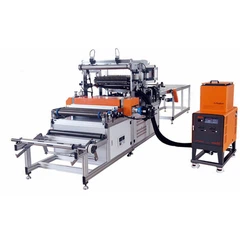
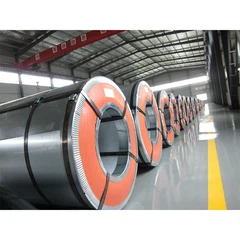
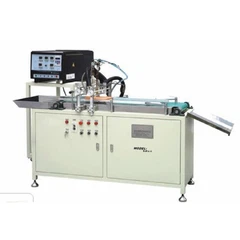
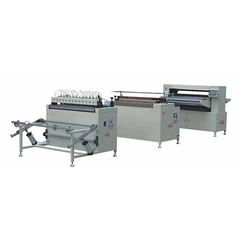
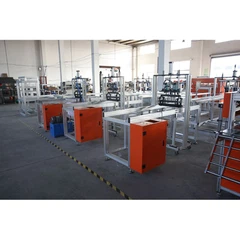
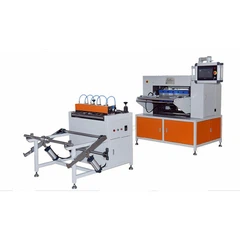

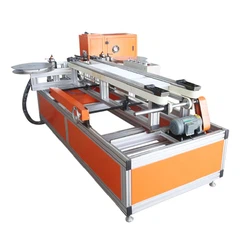
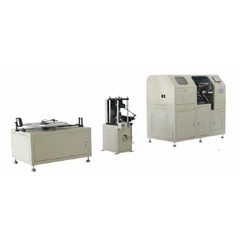
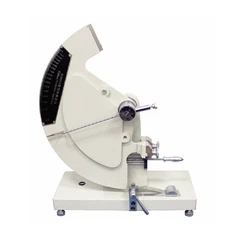
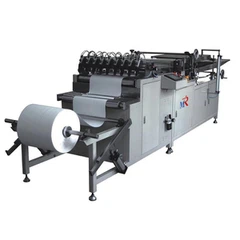
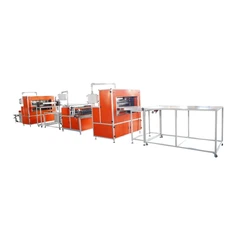
Pocket Air Filter Line
Your Professional Pocket Air Filter Line Supplier
JiangSu MoEr Filter Machine Co.Ltd the director member of China Internal Combustion Engine Industry Association Filter Branch and the member of China Automobile Manufactures Association Filter Committee, is the complete equipment enterprise specialized in producing filter manufacturing equipment, filter test equipment and molds.
MoEr is a manufacturer and supplier of air filter production lines and air filter material supply. Our air filter production machines are recognized worldwide for their superior precision and excellent reliability. Today, we have 12 productions of air filter equipment production lines, including HEPA Filter Line, HVAC Filter Line, PU Air Filter Line, PP Air Filter Line, Pocket Air Filter Line, Toyota Air Filter Line, Heavy Duty Air Filter Line, Cabin Air Filter Line, Spin-On Oil & Fuel Filter Line, Filter Paper & Filter Testers, ECO Filter Line and Filter Production Line, which can meet the diverse needs of the industry.
Its PU Air Filter Line includes: Bag Filter Galvanized Outer Frame forming Machine, Bag Filter U Cover Forming Machine, Card Strip Pressing Machine, Inner Frame Clinching Machine, Inner Frame forming Machine, Outer Frame Riveting Machine and Pocket Filter Cutting Machine. Their functions in PU Air Filter Line are:
- Bag Filter Galvanized Outer Frame Forming Machine: This machine shapes and forms the galvanized outer frame of the bag filter. It creates the main structural support that holds the filter media and provides overall rigidity to the filter unit.
- Bag Filter U Cover Forming Machine: This equipment is responsible for creating U-shaped covers. These covers typically protect the edges of the filter or provide a means of securing the filter media within the frame.
- Card Strip Pressing Machine: This machine compresses the filter media into card strips. This process helps to increase the density and efficiency of the filter material, enhancing its particle capture capabilities.
- Inner Frame Clinching Machine: The clinching machine secures components of the inner frame together. It creates strong, tight connections that help maintain the filter's internal structure under various operating conditions.
- Inner Frame Forming Machine: This machine shapes and forms the inner frame of the bag filter. The inner frame provides additional support to the filter media and helps maintain the filter's shape during use.
- Outer Frame Riveting Machine: This equipment joins different parts of the outer frame using rivets. It ensures a secure and durable connection between frame components, contributing to the overall strength of the filter unit.
- Pocket Filter Cutting Machine: This machine precisely cuts the filter media into pockets of the required size and shape. The pockets increase the surface area of the filter, improving its dust-holding capacity and overall filtration efficiency.
What is Pocket Air Filter Line
The term "Pocket Air Filter Line" typically refers to a range of pleated air filters designed for efficient filtration within HVAC systems, cleanrooms, or other environments requiring high-quality air purification. These filters consist of multiple layers of filter media, which are folded to create "pockets" that expand the surface area available for trapping airborne particles.
Advantages of Pocket Air Filter Line
High Filtration Efficiency
Pocket air filters are known for their high filtration efficiency. They are designed with multiple pockets or compartments that provide a large surface area for air filtration. The filter media used in pocket filters is typically made of synthetic fibers or a combination of synthetic and natural fibers. These fibers are electrostatically charged to attract and capture even the smallest particles. As a result, pocket air filters can effectively remove a high percentage of airborne contaminants, ensuring cleaner and healthier indoor air.
Extended Filter Life
Pocket air filters have a longer lifespan compared to other types of filters. The multiple pockets in the filter design allow for a larger dust-holding capacity. This means that the filters can capture and retain a significant amount of dust and particles before needing to be replaced. The extended filter life not only reduces maintenance and replacement costs but also ensures consistent air filtration performance over a longer period.
Low Pressure Drop
Pressure drop refers to the resistance to airflow that occurs as air passes through the filter. Pocket air filters are designed to have a low pressure drop, which means they allow for efficient airflow while maintaining high filtration efficiency. The low pressure drop of pocket filters helps to minimize energy consumption in HVAC systems, resulting in lower operating costs.
Versatility
Pocket air filters are available in various sizes and filtration ratings, making them suitable for a wide range of applications. They can be used in residential, commercial, and industrial settings. The versatility of pocket filters allows for customization based on specific air quality requirements and system configurations..
Easy Installation and Maintenance
Pocket air filters are designed for easy installation and maintenance. They are typically installed in filter housings or frames, which can be easily accessed and replaced. The pocket design allows for quick and hassle-free filter replacement, reducing downtime and ensuring continuous air filtration.
Improved Indoor Air Quality
One of the primary advantages of pocket air filters is their ability to improve indoor air quality. By effectively capturing and removing airborne contaminants, pocket filters help to reduce allergens, dust, and other pollutants in the air. This is particularly beneficial for individuals with respiratory conditions or allergies, as well as for creating a healthier and more comfortable indoor environment.
-
![Bag Filter Galvanized Outer Frame forming Machine]() Bag Filter Galvanized Outer Frame forming MachineMaterial of the cutting: Cr12Mov with quenched treatment. It can decide cut panel dimension according to the hydraulic drive and PLC computer control system.read more
Bag Filter Galvanized Outer Frame forming MachineMaterial of the cutting: Cr12Mov with quenched treatment. It can decide cut panel dimension according to the hydraulic drive and PLC computer control system.read more -
![Bag Filter U Cover Forming Machine]() Bag Filter U Cover Forming MachineIs composed of four parts: an automatic feeding device, multiple sets of rolling dies, a cutter mechanism, and a collecting and pressing mechanism.read more
Bag Filter U Cover Forming MachineIs composed of four parts: an automatic feeding device, multiple sets of rolling dies, a cutter mechanism, and a collecting and pressing mechanism.read more -
![Card Strip Pressing Machine]() Card Strip Pressing MachineCard Strip Pressing Machine consists of an automatic filter bag frame conveyor, a two-way module, a clamping mechanism, and three supporting parts.read more
Card Strip Pressing MachineCard Strip Pressing Machine consists of an automatic filter bag frame conveyor, a two-way module, a clamping mechanism, and three supporting parts.read more -
![Inner Frame Clinching Machine]() Inner Frame Clinching MachineThe inner frame clamping production line is composed of an automatic filter bag frame transfer device, a two-way module, a clamping mechanism, and three parts.read more
Inner Frame Clinching MachineThe inner frame clamping production line is composed of an automatic filter bag frame transfer device, a two-way module, a clamping mechanism, and three parts.read more -
![Inner Frame forming Machine]() Inner Frame forming Machine●Machine is suitable for processing the outer frame models of air cloth filter bags.read more
Inner Frame forming Machine●Machine is suitable for processing the outer frame models of air cloth filter bags.read more
●Machine is composed of four parts: an automatic feeding device, multiple sets of rolling dies, a cutter... -
![Outer Frame Riveting Machine]() Outer Frame Riveting Machine●Read and understand the entire contents of this manual;read more
Outer Frame Riveting Machine●Read and understand the entire contents of this manual;read more
●Before starting the machine, it must be determined that there are no unsafe factors around. Close the protective cover;... -
![Pocket Filter Cutting Machine]() Pocket Filter Cutting MachineWhen cleaning the machine, please cut off the power of the machine. Do not use solvent to wipe the electrical parts, use neutral soap to clean the machine shell components, and use No. 10 engine...read more
Pocket Filter Cutting MachineWhen cleaning the machine, please cut off the power of the machine. Do not use solvent to wipe the electrical parts, use neutral soap to clean the machine shell components, and use No. 10 engine...read more


Why Choose Us
Quality assurance
In terms of quality assurance, the company strictly follows the standards and norms of the industry quality system. Adopt industry-leading testing equipment to ensure product quality and good reputation.
Rich experience
Has a long-standing reputation in the industry, which makes it stand out from its competitors. With over many years of experience, they have developed the skills necessary to meet their clients' needs.
High quality products
We always put customer needs and expectations in the first place, refine on, continuous improvement, to seek every opportunity to do better, to provide customers with their expectations of quality products, to provide customers with the most satisfactory service at anytime.
Competitive Prices
We offer our products at competitive prices, making them affordable for our customers. We believe that high-quality products should not come at a premium, and we strive to make our products accessible to all.
Efficient and convenient
The company has established marketing networks around the world to provide high-quality services to customers in an efficient and convenient manner.
Professional team
We have a team of skilled and experienced professionals who are well-versed in the latest technology and industry standards. Our team is dedicated to ensuring that our customers get the best service and support possible.
How Do I Install a Pocket Air Filter
Prepare the Installation Site
Ensure the air filter housing or slot is clean, dry, and free of any obstructions that could interfere with the installation process.
Remove Existing Filter (if Any)
If there is an old filter present, gently remove it. Make sure to wear appropriate personal protective equipment like gloves to avoid coming into contact with contaminants that may have accumulated on the old filter.
Inspect the New Filter
Before installation, inspect the new pocket air filter for any damage or defects. Check that the size and type match your requirements.
Expand the Filter Media
Open the filter fully so that it is not crumpled or folded. This ensures maximum surface area coverage once installed.
Insert the Filter
Gently insert the expanded pocket air filter into the designated space in the air filter housing or slot. Ensure that the filter is oriented correctly, with the front side facing outwards towards the room where you want clean air to circulate.
Secure the Filter
Depending on the design of the filter and its housing, secure the filter in place using clips, screws, or other fasteners provided with the filter. Some filters may have adhesive strips that can be used to attach them to the housing.
Test the Installation
Once the filter is securely in place, turn on the HVAC system or cleanroom equipment to test that the airflow is unobstructed and that the filter is functioning properly. Listen for any unusual noises that might indicate poor fitment or blockages.
Monitor Performance
Keep an eye on the performance of your air filtration system after the installation. Regularly inspect the filter for signs of wear or clogging, and replace it according to the manufacturer’s recommendations or as needed based on usage and environmental conditions.
Filter Media
The most critical component of a pocket air filter is the filter media itself. It is typically made from non-woven synthetic fibers, such as polypropylene (PP) or polyester. These materials offer high particle retention capabilities and good breathability, allowing air to flow through while capturing contaminants. The media may also be treated with anti-microbial agents to prevent bacterial growth and extend the filter's lifespan.
Frame Materials
The frame of a pocket filter provides support and maintains the shape of the pleats. Frames are usually constructed from rigid materials such as aluminum or plastic, which are lightweight yet sturdy enough to withstand the forces exerted during installation and operation.
Pleating
Pleating is a key feature of pocket air filters that increases the overall surface area without significantly increasing the size of the filter. The pleats are often formed from the same material as the filter media, but they can also be created using a thin, flexible support material that maintains the pleat shape under pressure.
Adhesives and Sealants
To ensure a tight seal between the filter and its housing, adhesives or sealants may be used. These materials must be compatible with the filter media and housing to prevent contamination and must have suitable adhesive properties to withstand temperature fluctuations and humidity levels.
Release Liners
When the filter comes with a peelable release liner to maintain the pleats during storage and shipping, the liner material should be smooth and allow easy separation from the media without causing damage. Common release liner materials include silicone-treated papers or non-woven fabrics.
Support Screens or Mesh
In some designs, a support screen or mesh may be incorporated between layers of filter media to add stability and prevent the collapse of pleats under airflow pressure. These supports are typically made from materials like polyester or metal alloys.
Finishes
To protect the edges of the filter and prevent fiber loss, the perimeter of the filter may be finished with a binding tape or edging. This is often made from the same materials as the filter media or a complementary material that seals the edge effectively.
How Does The Pocket Air Filter Line Work
The Pocket Air Filter Line is a device used to filter air, usually installed in the intake system of engines, ventilation systems, or air conditioning systems. Its main function is to remove dust, particles, and other contaminants from the air before they enter the engine or other components, thus protecting them from damage and prolonging their lifespan.
The Pocket Air Filter Line usually consists of a housing and a filter element. The housing is designed to allow air to enter and exit while keeping the filter element in place. The filter element is made of a variety of materials, such as paper, foam, or synthetic fibers, which have different filtration efficiencies and dust holding capacities.
When air passes through the filter element, the dust and particles are trapped on the surface or within the fibers of the filter. The filtered air then exits the housing and is supplied to the engine or other components. Over time, the filter element becomes clogged with dust and particles, reducing its filtration efficiency. Therefore, it needs to be replaced regularly to ensure the proper functioning of the system.
The Pocket Air Filter Line works by physical filtration, which means that it relies on the size and shape of the filter element to trap dust and particles. The smaller the pores of the filter element, the higher its filtration efficiency. However, a smaller pore size also means that the filter element needs to be replaced more frequently to prevent clogging.
The Pocket Air Filter Line is an important component of many systems that require clean air. It works by trapping dust and particles in the filter element and preventing them from entering the engine or other components, thus protecting them from damage and prolonging their lifespan.
What Are the Applications of Pocket Air Filter Lines
Pocket Air Filter Lines are commonly used in automotive engines to prevent dust and other particles from entering the engine and causing damage. They are usually located in the intake system and can be easily replaced when dirty.
Pocket Air Filter Lines are also used in air conditioners to filter the air before it is circulated through the system. This helps to remove dust, pollen, and other particles that can cause allergies or respiratory problems.
In industrial settings, Pocket Air Filter Lines are used in dust collection systems to remove particles from the air before they are released into the atmosphere. This helps to improve air quality and protect the environment.
In medical settings, Pocket Air Filter Lines are used in respiratory equipment and other medical devices to filter the air and prevent the spread of germs and other contaminants.
In laboratories, Pocket Air Filter Lines are used in equipment such as fume hoods and biosafety cabinets to filter the air and prevent the release of harmful substances into the atmosphere.
Pocket Air Filter Lines are also used in home appliances such as vacuum cleaners and air purifiers to filter the air and remove dust, pollen, and other particles.
How Do I Choose the Right Pocket Air Filter Line for My Needs
Application and environment
Determine the specific application where the Pocket Air Filter Line will be used. Different applications may have different requirements regarding air filtration, such as removing dust, particles, odors, or moisture. Consider the environment in which the filter will operate, including the presence of dust, humidity, chemicals, or other contaminants.
Filter efficiency
Look for Pocket Air Filter Lines with an appropriate filter efficiency rating. Higher efficiency filters can capture smaller particles, but they may also have higher pressure drop and require more frequent replacements. Consider the level of filtration needed based on the specific application and the quality of the air you want to achieve.
Size and compatibility
Ensure that the Pocket Air Filter Line you choose is compatible with the device or system it will be installed in. Check the dimensions and fitting requirements to ensure a proper fit. Compatibility with the existing housing or framework is crucial for a smooth installation.
Material and construction
Consider the materials used in the construction of the filter line. Common materials include paper, synthetic fibers, or activated carbon. Different materials offer varying filtration properties and durability. Choose a filter line that is durable and can withstand the conditions of your application.
Flow rate and air resistance
The flow rate of the filter line affects the air flow through the system. A filter with low air resistance allows for better air flow, but it may sacrifice some filtration efficiency. Consider the balance between air flow and filtration performance based on the requirements of your system.
Maintenance and replacement frequency
Consider the maintenance requirements and replacement frequency of the Pocket Air Filter Line. Some filters may need to be replaced more frequently depending on the level of contamination in the air. Check the manufacturer's recommendations and choose a filter line that suits your maintenance schedule and budget.
Brand and reputation
Research and choose a reputable brand or manufacturer that offers quality products. Read reviews and feedback from other users to get an idea of the performance and reliability of the Pocket Air Filter Line.
Cost and availability
Compare the prices of different Pocket Air Filter Lines and consider your budget. Also, ensure that the filter line you choose is readily available and can be sourced easily when needed for replacements.
Consult experts or manufacturers
If you are unsure about the right choice, it can be helpful to consult experts in the field, such as HVAC technicians or engineers, or contact the manufacturers for specific recommendations and guidance.

Manual Cleaning
Some pocket air filter lines can be cleaned manually by removing them from the unit and gently tapping or brushing away accumulated dust and debris. Use a soft brush or a vacuum cleaner with a brush attachment to gently clean the filter. Be careful not to damage the filter media during cleaning.
Compressed Air Cleaning
If your pocket air filter line is not too dirty, you can use compressed air to blow out accumulated dust and debris. Hold the filter at a distance and use compressed air for short periods of time to remove dirt. Make sure to hold the filter firmly to prevent it from blowing away.
Water Flush
Some pocket air filter lines are designed to be cleaned. You can remove the filter from the unit and rinse it under running water to remove any built-up dirt. If necessary, use mild soap or detergent. Allow the filter to dry completely before reinstalling it.
Replacement
If the bag air filter line is severely dirty or damaged, it may need to be replaced with a new one. Check the manufacturer's recommendations for replacement intervals and follow the correct installation instructions provided.
Oiling
In some cases, a pocket air filter may require oiling to improve its filtration efficiency and extend its lifespan. Check the manufacturer's instructions for recommended oil types and methods of use.
Measurement of Airflow
The first step is to measure the airflow rate in cubic feet per minute (CFM) or liters per second (L/s) that needs to be filtered. This measurement is crucial because it indicates how much air the filter must handle efficiently. If the airflow is too high for the filter's capacity, it can cause increased static pressure, leading to energy waste and potential damage to the air handling system. Conversely, if the airflow is too low, the filter may become overcapacity, resulting in decreased life expectancy and potential clogging.
Air Duct Dimensions
Examine the dimensions of the air duct or the space where the filter will be installed. The filter's size must be compatible with the space available to ensure proper fit and airflow without obstruction. The filter's length, width, and height must match or exceed the corresponding dimensions of the duct or space.
Minimum Efficiency Reporting Value (MERV) Rating
The MERV rating of the filter dictates the size of the particles it can capture. Higher MERV ratings indicate greater efficiency but may also require larger or thicker filters to handle the increased load of particulate matter. Ensure that the filter size can accommodate the necessary media thickness for the desired MERV rating while still fitting within the designated space.
Static Pressure Drop
Consider the allowable static pressure drop across the filter. A larger filter may have a lower velocity of air passing through it, potentially reducing the static pressure drop. However, the filter must not be so large that it causes excessive backpressure on the fan or motor.
Energy Efficiency
Evaluate the energy efficiency of different size options. A larger filter could potentially increase energy consumption due to increased resistance, but it may also reduce the frequency of filter changes if it has a higher dust holding capacity.
Regulations and Standards
Check any applicable regulations or standards that may dictate the size of the air filter required for your application. Compliance with industry standards is essential, particularly in environments with stringent air quality requirements, such as healthcare or laboratory settings.
Maintenance and Accessibility
Ensure that the selected filter size is easily accessible for maintenance and replacement. Overly large filters may be difficult to handle and replace, which can affect the regularity of maintenance and the overall performance of the air filtration system.
Manufacturer's Recommendations
Consult the manufacturer's specifications and recommendations for the pocket air filter line. They often provide detailed sizing guidelines based on their product testing and application experience.
How Do Pocket Air Filter Lines Handle High Humidity Environments
Moisture Resistance
Special materials and coatings are used in the construction of Pocket Air Filter Lines to make them more resistant to moisture. These materials may include synthetic fibers or treated fabrics that can withstand high humidity without absorbent moisture, reducing the risk of growth and mold.
Enhanced Filtration Media
The choice of filtration media plays a crucial role in handling high humidity. Media with good moisture wicking properties or those specifically designed to capture moisture and particles can help maintain efficient filtration even in damp conditions.
Proper Ventilation
Adequate ventilation is essential in high humidity environments. Pocket Air Filter Lines should be installed in a way that allows for proper air circulation to prevent the buildup of excess moisture. This can be achieved through proper design and positioning of the filter and associated ventilation systems.
Regular Maintenance
Consistent maintenance is critical to keep Pocket Air Filter Lines functioning effectively in high humidity. This may involve regularly inspecting and cleaning or replacing the filters to remove accumulated moisture, dirt, and debris. By doing so, the filters' performance can be maintained, and the risk of clogging or reduced efficiency due to humidity can be minimized.
Dehumidification Measures
In addition to the filter itself, other dehumidification measures may be necessary to control the humidity levels in the environment. This can include the use of dehumidifiers, air conditioning systems, or other humidity control devices to reduce the overall moisture content in the air.
Compatibility with HVAC Systems
When integrated into HVAC (Heating, Ventilation, and Air Conditioning) systems, Pocket Air Filter Lines can be designed to work in conjunction with the system's dehumidification and ventilation components. This ensures optimal performance and moisture control throughout the entire system.
Monitoring and Testing
Regular monitoring of humidity levels and filter performance can help identify any issues or potential problems. This allows for timely adjustments or replacements of the Pocket Air Filter Lines as needed to ensure they continue to handle the high humidity effectively.
Our Factory
JiangSu MoEr Filter Machine Co.Ltd the director member of China Internal Combustion Engine Industry Association Filter Branch and the member of China Automobile Manufactures Association Filter Committee, is the complete equipment enterprise specialized in producing filter manufacturing equipment, filter test equipment and molds.

FAQ
Q: What is the effect of humidity on PP pocket air filters?
Q: Can PP pocket air filters be used in medical settings?
Q: Are there any health risks associated with using PP filters?
Q: How do I dispose of a used PP pocket air filter?
Q: What is the best way to maintain my PP pocket air filter?
Q: How does temperature affect the performance of PP filters?
Q: Can PP pocket air filters be used outdoors?
Q: What is the role of pleats in pocket air filters?
Q: Are there any alternatives to PP pocket air filters?
Q: How does air velocity affect the performance of PP filters?
Q: What is the cost comparison between different types of air filters?
Q: What is PP air filter line?
Q: Where are pocket air filters used?
Q: What are the advantages of PP material in air filters?
Q: Are PP air filters recyclable?
Q: How do I know what size pocket air filter to get?
Q: Can I wash and reuse my pocket air filter?
Q: How often should I replace my pocket air filter?
Q: What is the difference between a pocket and a panel filter?
Q: What is the MERV rating system and how does it apply to PP filters?
As one of the leading pocket air filter line manufacturers in China, we warmly welcome you to buy high-grade pocket air filter line made in China here from our factory. All machines are with high quality and competitive price.
Separated HEPA Filter Corrugating Machine for Paper and Aluminum, PP Injection Machine, Full auto Air Filter Spiral Machine with Already Expanded Mesh