

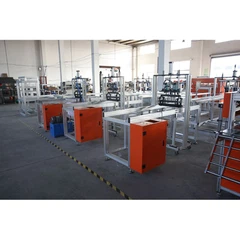

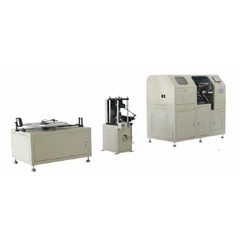
Filter Production Line
Your Professional Filter Production Line Supplier
JiangSu MoEr Filter Machine Co.Ltd the director member of China Internal Combustion Engine Industry Association Filter Branch and the member of China Automobile Manufactures Association Filter Committee, is the complete equipment enterprise specialized in producing filter manufacturing equipment, filter test equipment and molds.
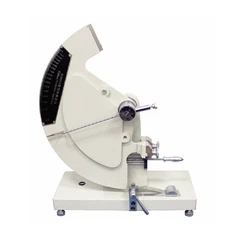
MoEr is a manufacturer and supplier of air filter production lines and air filter material supply. Our air filter production machines are recognized worldwide for their superior precision and excellent reliability. Today, we have 12 productions of air filter equipment production lines, including HEPA Filter Line, HVAC Filter Line, PU Air Filter Line, PP Air Filter Line, Pocket Air Filter Line, Toyota Air Filter Line, Heavy Duty Air Filter Line, Cabin Air Filter Line, Spin-On Oil & Fuel Filter Line, Filter Paper & Filter Testers, ECO Filter Line and Filter Production Line, which can meet the diverse needs of the industry.
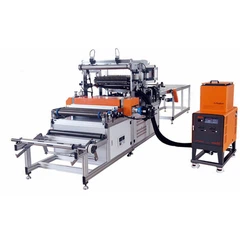
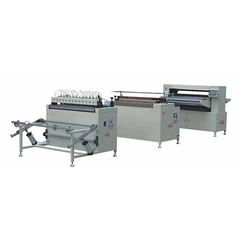
ECO Filter Line includes Multilayers Decoiler & CNC Knife Pleating & Slitting & Cross Cutting Line and Synthetic & Melt Blown CNC Knife Pleating And Hotmelt Gluing Line. Their features are as follows:
- Multilayers Decoiler & CNC Knife Pleating & Slitting & Cross Cutting Line: This comprehensive line combines multiple processes for efficient eco-filter production. It starts with a multilayer decoiler to feed various filter materials, followed by CNC knife pleating for precise and uniform pleats. The line then incorporates slitting and cross-cutting capabilities, allowing for the creation of filters in various sizes and configurations. This all-in-one solution optimizes production flow, reduces material handling, and ensures consistency across multiple layers of filter media.
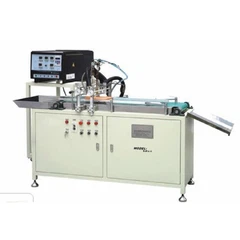
- Synthetic & Melt Blown CNC Knife Pleating And Hotmelt Gluing Line: This specialized line is designed to handle both synthetic and melt-blown filter materials, offering versatility in eco-filter production. It features CNC knife pleating for accurate and efficient pleat formation, followed by a hot melt gluing system to securely bond the pleated media. The combination of precise pleating and reliable bonding ensures the production of high-quality, eco-friendly filters with excellent filtration properties and structural integrity.
Both of these lines represent advanced, integrated solutions for eco-filter manufacturing, emphasizing efficiency, precision, and adaptability to different filter materials and designs. They exemplify the trend towards more streamlined, automated production processes in the eco-friendly filtration industry.
What is Filter Production Line
Filter production line refers to a series of equipment and processes used to produce filters, which are devices used to remove impurities, particles, or unwanted substances from fluids such as air, water, or oil. The filter production line typically includes various machines and equipment for material handling, processing, assembly, testing, and packaging.
Advantages of Filter Production Line
Efficiency and Productivity
A well-designed filter production line streamlines the manufacturing process, allowing for high-volume production. Automated systems and standardized processes reduce human error, resulting in increased efficiency and productivity.
Consistency and Quality
The use of a production line ensures consistent filter quality. Precise machinery and quality control measures guarantee that each filter meets specific standards, delivering reliable performance.
Customization
Many filter production lines offer flexibility to produce filters with different specifications and designs. This enables customization to meet the unique requirements of various applications, providing tailored solutions.
Cost Savings
By optimizing the production process, a filter production line can reduce material waste and labor costs. Efficient machinery and streamlined operations contribute to overall cost savings, making the manufacturing more economically viable.
Quick Turnaround Time
The assembly-line approach enables a faster production cycle, reducing lead times. This is especially beneficial in industries where filters are in high demand or require quick replacements.
Improved Safety
Well-engineered production lines incorporate safety features to protect workers. Reduced manual handling and proper ergonomics minimize the risk of workplace injuries.
-
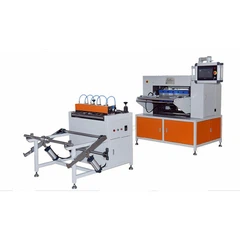
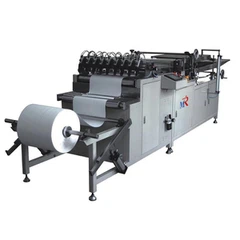
![Multilayers Decoiler& CNC Knife Pleating&Slitting&Cross Cutting Line]() Multilayers Decoiler& CNC Knife Pleating&Slitting&Cross C...●The folding machine adopts upper and lower knife alternatively perform folding, from the knife automatic adjustment by computer, can reach different fold higher requirements, accurate size....read more
Multilayers Decoiler& CNC Knife Pleating&Slitting&Cross C...●The folding machine adopts upper and lower knife alternatively perform folding, from the knife automatic adjustment by computer, can reach different fold higher requirements, accurate size....read more -
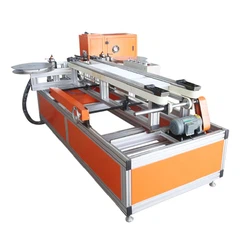
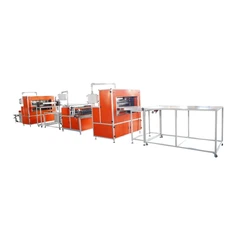
![Synthetic & Melt Blown CNC Knife Pleating and Hotmelt Gluing Line]() Synthetic & Melt Blown CNC Knife Pleating and Hotmelt Glu...Suitable materials for pleating like: wooden paper, non-woven, P.P synthetic media, glass fiber, active carbon, mesh, and multi-layers pleating.read more
Synthetic & Melt Blown CNC Knife Pleating and Hotmelt Glu...Suitable materials for pleating like: wooden paper, non-woven, P.P synthetic media, glass fiber, active carbon, mesh, and multi-layers pleating.read more


Why Choose Us
Quality assurance
In terms of quality assurance, the company strictly follows the standards and norms of the industry quality system. Adopt industry-leading testing equipment to ensure product quality and good reputation.
Rich experience
Has a long-standing reputation in the industry, which makes it stand out from its competitors. With over many years of experience, they have developed the skills necessary to meet their clients' needs.
High quality products
We always put customer needs and expectations in the first place, refine on, continuous improvement, to seek every opportunity to do better, to provide customers with their expectations of quality products, to provide customers with the most satisfactory service at anytime.
Competitive Prices
We offer our products at competitive prices, making them affordable for our customers. We believe that high-quality products should not come at a premium, and we strive to make our products accessible to all.
Efficient and convenient
The company has established marketing networks around the world to provide high-quality services to customers in an efficient and convenient manner.
Professional team
We have a team of skilled and experienced professionals who are well-versed in the latest technology and industry standards. Our team is dedicated to ensuring that our customers get the best service and support possible.

The capacity of a filter production line can vary widely depending on a variety of factors, including the type of filter being produced, the complexity of the manufacturing process, the level of automation, equipment size, and the manufacturer's specific requirements.
Small filter production lines may produce hundreds of filters per hour, while large-scale, highly automated production lines can produce tens of thousands of filters per hour. Capacity is typically measured in units per hour or per day, depending on the manufacturer's production goals.
To achieve higher production capabilities, manufacturers can invest in larger and more advanced machinery, implement more efficient production techniques, and optimize their workflows. In addition, the integration of robotics and other automation technologies can significantly increase the speed and precision of the manufacturing process, resulting in higher output rates.
While increased capacity can increase output, it must be balanced with quality control and operational efficiency to maintain the integrity and performance of the filters produced. Therefore, the design and configuration of filter production lines must take into account both the required productivity and the necessary quality standards.
What Is the Efficiency of the Filter Production Line
Automation Level
Higher degrees of automation can significantly boost efficiency by reducing human error, minimizing setup times, and increasing throughput. Automated machinery and robotic systems can operate continuously and at high speeds, provided they are well-maintained.
Process Optimization
Streamlined processes with minimal bottlenecks ensure continuous flow and reduce the time required to produce a filter from start to finish. Lean manufacturing principles can help eliminate waste and improve efficiency.
Quality Control Systems
Real-time monitoring and feedback mechanisms allow for immediate detection and correction of production issues, which prevents the accumulation of defective products and the associated costs of rework or scrapping.
Material Handling
Efficient material handling systems reduce the time and effort needed to move raw materials and finished products through the production line. This includes automated storage and retrieval systems, conveyors, and other logistics solutions.
Machine Utilization
The percentage of time that machines are operating versus idle reflects how efficiently the equipment is being used. High machine utilization indicates that the production line is running optimally.
Maintenance Practices
Regular maintenance schedules and predictive maintenance strategies help prevent unexpected downtime due to equipment failure, ensuring that the production line operates at peak efficiency.
Workforce Training
Skilled operators and technicians who are trained to work with the equipment and systems can make decisions that enhance production efficiency.
Flexibility and Scalability
A production line designed to be flexible can quickly adapt to changes in product specifications or volumes, which is especially important in markets where demand fluctuates rapidly.
How Is the Filter Performance Tested
Filter performance testing is a critical process that ensures that filters meet the required standards of efficiency, durability, and safety. The tests are designed to simulate real-world conditions under which the filters will operate, providing valuable insights into their performance characteristics. One of the primary tests conducted is the flow rate test, which measures the amount of air or fluid that can pass through the filter at a given pressure differential. This test helps determine the filter's capacity to handle varying loads and its impact on airflow or fluid flow in the system.
Another important test is the efficiency test, which assesses the filter's ability to trap particles or contaminants. This is typically done using standardized methods such as the ISO 5713 test for oil filters, which involves measuring the particle count both before and after the filter. The results are then compared to industry benchmarks to determine the filter's effectiveness in removing contaminants. Durability and longevity are also crucial aspects of filter performance testing. Tests such as temperature cycling, pressure cycling, and vibration testing simulate the harsh conditions that filters are likely to encounter during their lifespan. These tests help identify any potential weaknesses in the construction of the filter that could lead to premature failure.
Safety is another key consideration in filter performance testing. Filters that fail to meet safety standards pose a risk to both the equipment they are meant to protect and the personnel operating the system. Safety tests may involve assessing the integrity of the filter housing, checking for leaks or other signs of damage, and ensuring that the filter does not release harmful substances under normal operating conditions. Environmental impact is increasingly becoming a factor in filter performance testing. Tests may be conducted to evaluate the filter's ability to minimize waste and reduce emissions, as well as its recyclability or biodegradability.
Filter performance testing is a comprehensive process that covers a wide range of parameters to ensure that filters perform as expected in various applications. Manufacturers invest heavily in developing rigorous testing protocols to ensure that their products meet or exceed industry standards, ultimately enhancing customer satisfaction and protecting the reputation of their brand.
How Is the Quality of the Filter Ensured During the Production Process
Design and engineering phase
Thorough design and engineering considerations are essential to ensure the filter's performance and quality. This includes selecting appropriate materials, designing proper filtration mechanisms, and considering factors such as durability and ease of maintenance.
Process validation
Before the actual production begins, conduct process validation to ensure the manufacturing process can consistently produce filters that meet the required quality standards.
Cleanliness and contamination control
Strict cleanliness and contamination control measures should be in place throughout the production area to prevent any external contaminants from affecting the filter quality.
Statistical quality control (SQC)
Use statistical tools and methods to monitor and control the quality of the production process. SQC helps identify trends, variations, and potential problems, allowing for proactive corrective actions.
In-process inspections
Implement frequent in-process inspections to catch any quality issues early on. This may include visual inspections, dimensional checks, and functional tests at various stages of the production line.
Error-proofing techniques
Implement error-proofing mechanisms to prevent human errors that could impact the quality of the filters. This can include automated systems, poka-yoke devices, or visual aids.
Training and awareness
Provide ongoing training to the production staff on quality awareness, best practices, and the importance of following quality procedures.
Customer feedback
Encourage customers to provide feedback on the quality of the filters. This feedback can be used to identify areas for improvement and drive quality enhancements.
Root cause analysis
When quality issues arise, conduct thorough root cause analysis to identify the underlying causes and implement corrective and preventive actions to prevent recurrence.
Regular audits
Conduct internal audits to assess the compliance of the production process with quality standards and procedures. Audits help ensure that quality systems are being followed consistently.
What Materials Are Used in the Production of Filters
Paper and cardboard filters are commonly used for low-cost, low-pressure applications such as air filters in HVAC systems or dust collection filters.
Metal wire mesh filters are durable and offer high filtration efficiency. They are often used in industrial applications for fluid and gas filtration.
Polyester and nylon fibers are commonly used in air filters for automobiles, HVAC systems, and dust collection.
Glass fibers are used in high-temperature applications and offer excellent filtration efficiency. They are often used in industrial air filters and gas filters.
Activated carbon filters are effective in removing contaminants and odors from gases and liquids. They are commonly used in water filters and air purifiers.
Ceramic filters offer high-temperature resistance and chemical stability. They are often used in industrial fluid filtration applications.
Silica gel: Silica gel filters are used in desiccant applications to remove moisture from gases and liquids.
Polyurethane foam filters are commonly used in air filters for automobiles and HVAC systems. They offer good filtration efficiency and low resistance to air flow.
Many filters use combinations of different materials to achieve desired filtration properties. For example, a filter may have a layer of activated carbon followed by a layer of polyurethane foam.
What Kind of Equipment Is Used in the Filter Production Line
less Time
At the heart of many filter production lines are CNC (Computer Numerical Control) machines. These precision tools are employed to cut, shape, and fabricate metal components to exacting specifications. CNC laser cutting machines, for instance, are used to create the precise openings and patterns required in filter elements. Press brakes, meanwhile, are utilized to bend metal sheets into the necessary shapes for frame construction or support structures. Automated welding robots are often deployed to join metal parts together swiftly and with a high degree of accuracy. These robots can be programmed to perform a variety of welding techniques, including MIG (Metal Inert Gas) and TIG (Tungsten Inert Gas) welding, as needed.
less Time
For the assembly of filter elements, specialized automated assembly lines might include conveyors, pick-and-place robots, and automated screwdrivers or riveters. These systems streamline the process of inserting media, adding seals, and securing hardware, ensuring repeatability and efficiency. Pressure testing equipment is essential for verifying the integrity of the seal and the overall performance of the filter. These units apply set pressures to the filter and monitor for leaks or other failures, ensuring that the product meets performance standards. Flow meters and particle counting instruments are commonly used alongside these testers to provide a comprehensive analysis of the filter's capabilities.
less Time
Packaging equipment, such as boxing machines, shrink wrappers, and label applicators, complete the production line, ensuring that the finished filters are securely packaged and clearly labeled for distribution. Quality control stations are dotted along the production line, equipped with microscopes, calipers, and other measurement tools, allowing for constant inspection and verification of parts as they move through the manufacturing process. Software plays a significant role in modern filter production, with Manufacturing Execution Systems (MES) and Enterprise Resource Planning (ERP) systems coordinating the flow of materials, tracking inventory, and managing the production schedule. Programmable Logic Controllers (PLC) automate much of the machinery, optimizing the efficiency of the entire operation.
What Are the Key Components of a Filter Production Line
Material Handling Equipment
At the start of the line, raw materials like metals, filter media, adhesives, and seals must be stored and fed into the production process efficiently. Conveyors, hoppers, and automated storage and retrieval systems are often used to handle bulk materials and ensure a steady supply to the production machinery.
Cutting and Shaping Equipment
Sheets of metal or other materials must be precisely cut and shaped to form the basis of the filter structure. Laser cutters, water jet cutters, and press brakes are common tools used for this purpose, ensuring accuracy and repeatability in component size and shape.
Fabrication Tools
Once the base materials are cut, additional fabrication processes may be required. For example, spot welding machines might join metal pieces, while automated assemblers might insert media into frames or apply adhesive layers.
Assembly Robots
Robotic arms are frequently deployed to speed up and improve the consistency of assembly tasks. They can place seals, secure hardware, and insert filter media with high precision and minimal waste.
Testing Stations
After assembly, filters must undergo rigorous testing to verify their performance. Pressure testing equipment, flow meters, and particle counters are standard tools that check for leaks, confirm flow rates, and assess the effectiveness of the filtration media.
Packaging Equipment
Finished filters require proper packaging to prevent damage during shipping and handling. Boxing machines, label applicators, and shrink wrap systems are typical components that prepare the filters for distribution.
Quality Control Systems
Throughout the production process, quality control is imperative. Manual and automated inspection stations equipped with magnifiers, vision systems, and measurement tools inspect components and completed filters for defects.
Programmable Logic Controllers (PLCs) and Software
PLCs serve as the brains of the production line, controlling the operation of machinery and processes. Integrated software systems manage production schedules, track inventory, and provide real-time data for decision-making.
Environmental Control Systems
Certain production stages might require controlled environments to maintain material integrity. Clean rooms or climate-controlled spaces can be critical for processes involving sensitive media or assembly techniques.
Design and planning
This initial stage involves determining the filter's specifications, such as size, filtration efficiency, and material requirements. The design considers the intended use, flow rate, and particle size to be filtered.
Material selection
Based on the design, suitable materials are selected for the filter. This includes the filter medium (such as paper, fabric, or membrane), frame materials, and any additional components like seals or gaskets.
Material preparation
The selected materials may need to be cut, shaped, or treated before assembly. This can involve processes like die-cutting, folding, or coating the filter media.
Assembly
The various components of the filter are assembled. This may include attaching the filter medium to a frame, sealing the edges, or adding other necessary elements.
Testing and quality control
Rigorous testing is performed to ensure the filter meets the specified performance standards. This can include tests for filtration efficiency, pressure drop, durability, and compatibility.
Finishing and packaging
After passing the quality checks, the filters may undergo final touches like cleaning, labeling, and packaging for protection during storage and transportation.
Quality assurance
Throughout the production process, quality assurance measures are implemented to monitor and control the manufacturing process. This includes inspections, documentations, and adherence to quality management systems.
What Is the Minimum and Maximum Filter Size That Can Be Produced
The minimum and maximum filter sizes that can be produced can vary depending on several factors, including the manufacturing capabilities of the facility, the type of filter being produced, and the specific application or customer requirements. There are no fixed limitations as it depends on the technology and equipment available. Minimum filter sizes are often limited by the ability to handle and manipulate the materials used in filter construction. Smaller filters may require more precise manufacturing techniques and specialized equipment. Factors like the filter medium's thickness, frame dimensions, and component assembly can influence the smallest feasible size. On the other hand, the maximum filter size is typically determined by the physical constraints of the manufacturing equipment and the intended application. Larger filters might require larger manufacturing spaces, higher capacity machinery, or specialized handling procedures. In some cases, the filter size is also dictated by the system or device it is intended to be used in. For example, filters for HVAC systems, automotive engines, or industrial machinery may have specific size limitations based on the available space or compatibility with existing components. It's important to note that filter manufacturers often have a range of standard sizes they commonly produce, but they can also accommodate custom orders to meet specific customer demands. Customization allows for filters to be tailored to unique applications or spaces, providing flexibility in size and design. To determine the specific minimum and maximum filter sizes a particular manufacturer can produce, it is best to directly consult with them. They can provide detailed information based on their facilities, technology, and the filters they specialize in. This ensures that the filter size aligns with the required specifications and performance needs.
Our Factory
JiangSu MoEr Filter Machine Co.Ltd the director member of China Internal Combustion Engine Industry Association Filter Branch and the member of China Automobile Manufactures Association Filter Committee, is the complete equipment enterprise specialized in producing filter manufacturing equipment, filter test equipment and molds.

FAQ
Q: What role does innovation play in filter production?
Q: How are filters tested for performance?
Q: What are the regulatory requirements for filter production?
Q: How do you handle customization requests in filter production?
Q: What is the role of research and development in filter production?
Q: How do you maintain equipment on a filter production line?
Q: How do you train staff on a filter production line?
Q: What are the benefits of lean manufacturing in filter production?
Q: How do you manage supply chain risks in filter production?
Q: What is the importance of traceability in filter production?
Q: How do you handle returns and warranty claims in filter production?
Q: What are the common maintenance issues in filter production equipment?
Q: How do you ensure continuous improvement in a filter production line?
Q: What are the key components of a filter production line?
Q: How does automation benefit a filter production line?
Q: What raw materials are typically used in filter media production?
Q: How is the quality of filter materials ensured?
Q: What are the common steps in the filter production process?
Q: How are custom filters produced?
Q: What are the challenges in scaling up filter production?
As one of the leading filter production line manufacturers in China, we warmly welcome you to buy high-grade filter production line made in China here from our factory. All machines are with high quality and competitive price.
Oil Filter Seaming Machine, Oil Filter Bubble Tester, Full auto Air Filter Spiral Machine with Already Expanded Mesh