

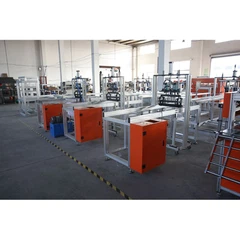

Spin-On Oil & Fuel Filter Line
Your Professional Spin-On Oil & Fuel Filter Line Supplier
JiangSu MoEr Filter Machine Co.Ltd the director member of China Internal Combustion Engine Industry Association Filter Branch and the member of China Automobile Manufactures Association Filter Committee, is the complete equipment enterprise specialized in producing filter manufacturing equipment, filter test equipment and molds.
MoEr is a manufacturer and supplier of air filter production lines and air filter material supply. Our air filter production machines are recognized worldwide for their superior precision and excellent reliability. Today, we have 12 productions of air filter equipment production lines, including HEPA Filter Line, HVAC Filter Line, PU Air Filter Line, PP Air Filter Line, Pocket Air Filter Line, Toyota Air Filter Line, Heavy Duty Air Filter Line, Cabin Air Filter Line, Spin-On Oil & Fuel Filter Line, Filter Paper & Filter Testers, ECO Filter Line and Filter Production Line, which can meet the diverse needs of the industry.
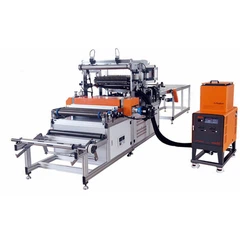
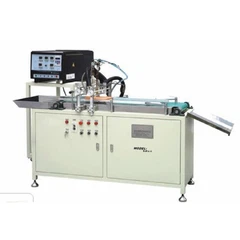
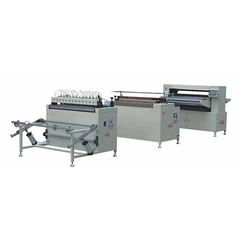
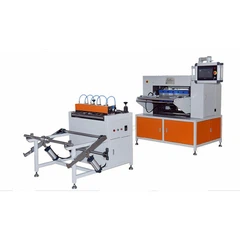
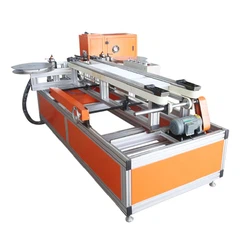
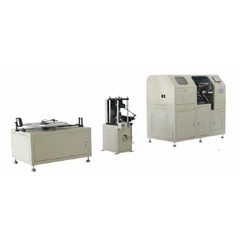
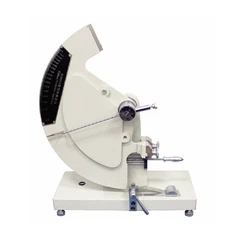
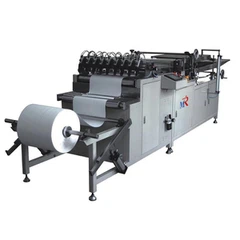
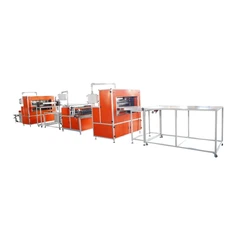
Spin-On Oil & Fuel Filter Line includes Bypass Valve Assembly Machine, Filter Paper Knife Pleating Machinery, Full-auto Plastic Film Sealing Machine, Full-auto Spin-on Oil Filter Seaming Machine, Full-auto Spiral Tube Making Machinery, Full-auto Turntable Bottom Plate Welding Machine, Full-auto Turntable By-pass Valve Welding Machine, Full-auto Turntable Six-station Tapping Machine, Oil Filter Invert Seaming Machine, Oil Filter Seaming Machine, PVC Caps Gluing Machinery and Screen Printing Machine. Their features are as follows:
- Bypass Valve Assembly Machine: Automates the assembly and installation of bypass valves in spin-on oil filters, ensuring proper pressure regulation and filter protection.
- Filter Paper Knife Pleating Machinery: Creates precise, uniform pleats in filter paper to maximize the filtration surface area within the compact spin-on filter housing.
- Full-auto Plastic Film Sealing Machine: Automatically applies and seals plastic film to filter components, providing protection and maintaining cleanliness during manufacturing and storage.
- Full-auto Spin-on Oil Filter Seaming Machine: Automates the process of seaming the filter canister to the base plate, ensuring a secure and leak-proof seal for spin-on oil filters.
- Full-auto Spiral Tube Making Machinery: Produces spiral-wound center tubes for spin-on filters, providing structural support and optimizing fluid flow through the filter media.
- Full-auto Turntable Bottom Plate Welding Machine: Uses a rotating turntable to efficiently weld bottom plates to filter canisters, ensuring strong and consistent connections.
- Full-auto Turntable By-pass Valve Welding Machine: Automates the welding of bypass valves to filter components using a rotating turntable for high-volume production.
- Full-auto Turntable Six-station Tapping Machine: Features a six-station turntable design for efficient and precise tapping of threaded holes in filter components.
- Oil Filter Invert Seaming Machine: Specializes in seaming inverted oil filter canisters, allowing for unique filter designs and assembly processes.
- Oil Filter Seaming Machine: Performs the critical operation of seaming filter canisters to end caps, creating a secure and leak-proof seal for oil filters.
- PVC Caps Gluing Machinery: Applies adhesive and attaches PVC caps to filter components, providing protection and improving the filter's appearance.
- Screen Printing Machine: Prints product information, branding, and other details directly onto the surface of spin-on oil and fuel filters.
These machines collectively form a comprehensive production line for spin-on oil and fuel filters, covering all aspects from filter media preparation to final assembly and finishing. The line is designed for high-volume, efficient production of high-quality filters that meet stringent automotive and industrial standards for fluid filtration.
What is Spin On Oil & Fuel Filter Line
A Spin-On Oil & Fuel Filter Line refers to a system that incorporates both oil and fuel filters designed with a spin-on canister mechanism for ease of installation and replacement. In engineering terms, these filters are typically made from a steel shell with a replaceable filter element inside. For oil filters, the element is often composed of a paper or synthetic material that removes contaminants from the engine oil as it passes through the filter.
Advantages of Spin On Oil & Fuel Filter Line
Efficient Filtration
Spin-on oil and fuel filters are designed to provide efficient filtration of contaminants in the oil and fuel systems of vehicles and equipment. These filters are constructed with high-quality filtration media that effectively capture and remove particles, dirt, debris, and other contaminants from the oil and fuel. This helps to maintain the cleanliness and integrity of the lubrication and fuel systems, ensuring optimal performance and longevity of the engine or equipment.
Easy Installation and Replacement
Spin-on oil and fuel filters are designed for easy installation and replacement. They feature a convenient spin-on design that allows for quick and hassle-free filter changes. The filters can be easily screwed on or off, eliminating the need for additional tools or complicated procedures. This makes maintenance and filter replacement a simple task, saving time and effort.
Versatility and Compatibility
Spin-on oil and fuel filters are available in a wide range of sizes and configurations, making them compatible with various types of vehicles, engines, and equipment. Whether it's a car, truck, motorcycle, boat, or industrial machinery, there is a spin-on filter option to suit different applications. This versatility ensures that the filters can be easily integrated into existing systems without the need for modifications or complex adaptations.
Enhanced Engine Protection
The primary function of spin-on oil filters is to protect the engine by removing contaminants from the oil. Clean oil is essential for lubricating engine components and reducing friction, heat, and wear. By effectively filtering out particles and impurities, spin-on oil filters help prevent engine damage, premature wear, and costly repairs. Similarly, spin-on fuel filters protect the fuel system by removing contaminants that can clog fuel injectors, reduce fuel efficiency, and impair engine performance.
Extended Service Life
Spin-on oil and fuel filters are designed to have a longer service life compared to other types of filters. They are typically larger in size and have a higher dirt-holding capacity, allowing them to capture and retain more contaminants before requiring replacement. This extended service life reduces the frequency of filter changes, resulting in cost savings and less downtime for maintenance.
Improved Fuel Efficiency
Clean fuel is essential for optimal engine performance and fuel efficiency. Spin-on fuel filters help ensure that the fuel entering the engine is free from contaminants that can disrupt the combustion process and reduce fuel efficiency. By maintaining clean fuel, these filters contribute to improved fuel economy, saving on fuel costs and reducing environmental impact.
-
![Bypass Valve Assembly Machine]() Bypass Valve Assembly MachineThis machine is suitable for the rotary type filter bypass valve assembly.read more
Bypass Valve Assembly MachineThis machine is suitable for the rotary type filter bypass valve assembly.read more -
![Filter Paper Knife Pleating Machinery]() Filter Paper Knife Pleating Machinery●The folding machine adopts upper and lower knife alternatively perform folding, from the knife automatic adjustment by computer, can reach different fold higher requirements, accurate size...read more
Filter Paper Knife Pleating Machinery●The folding machine adopts upper and lower knife alternatively perform folding, from the knife automatic adjustment by computer, can reach different fold higher requirements, accurate size...read more -
![Full-auto Plastic Film Sealing Machine]() Full-auto Plastic Film Sealing Machine●This machine adopts the cams composite, which is running stably and precisely location.read more
Full-auto Plastic Film Sealing Machine●This machine adopts the cams composite, which is running stably and precisely location.read more
●This full automatic sealing machine has the automatic circulation of the shrinking film edge... -
![Full-auto Spin-on Oil Filter Seaming Machine]() Full-auto Spin-on Oil Filter Seaming MachineElectric and pneumatic controls are used by the seaming machine. The feed movement is carried out for the first roller and second roller by two sets of cam mechanics.read more
Full-auto Spin-on Oil Filter Seaming MachineElectric and pneumatic controls are used by the seaming machine. The feed movement is carried out for the first roller and second roller by two sets of cam mechanics.read more -
![Full-auto Spiral Tube Making Machinery]() Full-auto Spiral Tube Making Machinery●The machine can easily change the diameter of screw tube in a short time.read more
Full-auto Spiral Tube Making Machinery●The machine can easily change the diameter of screw tube in a short time.read more
●Cut the needed length according to what the customers’ specification
●Clutch can be adjusted according to... -
![Full-auto Turntable Bottom Plate Welding Machine]() Full-auto Turntable Bottom Plate Welding MachineThe machine with auto laying-off function is operated by turntable segmentation easily and fast. Pneumatic pressing welding by heating welding current to reach the spot welding, fast speed,...read more
Full-auto Turntable Bottom Plate Welding MachineThe machine with auto laying-off function is operated by turntable segmentation easily and fast. Pneumatic pressing welding by heating welding current to reach the spot welding, fast speed,...read more -
![Full-auto Turntable By-pass Valve Welding Machine]() Full-auto Turntable By-pass Valve Welding Machine●This machine has 8 stations on the work piece, the work piece automatically removed after welding.read more
Full-auto Turntable By-pass Valve Welding Machine●This machine has 8 stations on the work piece, the work piece automatically removed after welding.read more
●The welding is through pneumatic pressing the electrode welding, and the welding current... -
![Full-auto Turntable Six-station Tapping Machine]() Full-auto Turntable Six-station Tapping Machine●All spare parts are precisely made, to ensure the work piece vertical to the screw tap.read more
Full-auto Turntable Six-station Tapping Machine●All spare parts are precisely made, to ensure the work piece vertical to the screw tap.read more
●The tapping parts set the spray cooling system to keep the work piece smooth and the tap durable. -
![Oil Filter Invert Seaming Machine]() Oil Filter Invert Seaming Machine●A complete sealing glue injection, high production efficiency.read more
Oil Filter Invert Seaming Machine●A complete sealing glue injection, high production efficiency.read more
●Sealing die feed movement completed by computer operation. -
![Oil Filter Seaming Machine]() Oil Filter Seaming MachineElectric and pneumatic controls are used by the seaming machine. . The feed movement is carried out for the first roller and second roller by two sets of cam mechanics.read more
Oil Filter Seaming MachineElectric and pneumatic controls are used by the seaming machine. . The feed movement is carried out for the first roller and second roller by two sets of cam mechanics.read more -
![PVC Caps Gluing Machinery]() PVC Caps Gluing Machinery●The action of end caps loading and gluing can be regulated easily by computer control ,so it is coordinate and work normally.read more
PVC Caps Gluing Machinery●The action of end caps loading and gluing can be regulated easily by computer control ,so it is coordinate and work normally.read more
●This machine has the function of evenly gluing on the end cap... -
![Screen Printing Machine]() Screen Printing Machine●P.L.C Program Control Systemread more
Screen Printing Machine●P.L.C Program Control Systemread more
●Printing design change is very easy.
●The printed ink on the filter body is indelible through the normal drying process.


Why Choose Us
Quality assurance
In terms of quality assurance, the company strictly follows the standards and norms of the industry quality system. Adopt industry-leading testing equipment to ensure product quality and good reputation.
Rich experience
Has a long-standing reputation in the industry, which makes it stand out from its competitors. With over many years of experience, they have developed the skills necessary to meet their clients' needs.
High quality products
We always put customer needs and expectations in the first place, refine on, continuous improvement, to seek every opportunity to do better, to provide customers with their expectations of quality products, to provide customers with the most satisfactory service at anytime.
Competitive Prices
We offer our products at competitive prices, making them affordable for our customers. We believe that high-quality products should not come at a premium, and we strive to make our products accessible to all.
Efficient and convenient
The company has established marketing networks around the world to provide high-quality services to customers in an efficient and convenient manner.
Professional team
We have a team of skilled and experienced professionals who are well-versed in the latest technology and industry standards. Our team is dedicated to ensuring that our customers get the best service and support possible.
What Is the Purpose of a Spin on Oil Filter
A spin-on oil filter serves as a critical component within an internal combustion engine's lubrication system. Its primary function is to remove contaminants, such as dirt, metal wear particles, and other abrasive substances, from the engine oil. This filtration process is vital for maintaining the health and longevity of the engine, as clean oil significantly reduces wear on moving parts.
The design of a spin-on oil filter incorporates a replaceable filter element, which is housed within a durable canister made of metal, typically steel. This element is composed of a fine mesh or a series of pleated filter media, often made from paper or synthetic materials like cellulose or glass microfibers. These materials have high porosity, allowing oil to pass through while trapping particles as small as a few micrometers in diameter. Some advanced filters may also include a bypass valve that allows oil to bypass the filter under certain conditions to ensure continuous lubrication if the filter becomes clogged.
The 'spin-on' aspect of the filter refers to its mounting mechanism, which involves a threaded interface that screws directly onto a matching boss or adapter on the engine block or oil pump. A sealing gasket or O-ring is integrated into the filter canister to create a leak-proof seal when the filter is properly installed. This design facilitates easy and quick servicing, as mechanics or vehicle owners can replace the filter without the need for specialized tools or procedures.
Regular replacement of the oil filter is essential because, over time, the filter element can become saturated with trapped contaminants, reducing its effectiveness. If the filter is not replaced, it could potentially allow these contaminants to re-enter the engine, leading to accelerated wear and potential failure of critical components. The spin-on oil filter plays a crucial role in protecting engines from the damaging effects of contaminants in the oil. Its efficient design ensures that engines receive clean oil, promoting optimal performance, reliability, and longevity.

The heart of the spin-on oil filter is the filter element. It is typically made of a pleated paper or synthetic media that is designed to trap particles and debris as oil passes through it. The filter element is contained within a metal housing that has a threaded opening at the top. The housing also includes an O-ring seal to prevent oil leakage. Most spin-on oil filters include a bypass valve. This valve opens when the filter becomes clogged, allowing oil to bypass the filter element and continue circulating through the engine. This helps to prevent engine damage due to oil starvation. The anti-drainback valve is located at the base of the filter housing. It prevents oil from draining out of the filter when the engine is turned off, ensuring that there is always oil available for lubrication when the engine is started again. To install a spin-on oil filter, the old filter is removed by unscrewing it from the engine. The new filter is then screwed on in its place, making sure the O-ring seal is properly seated. The filter is tightened to the specified torque to ensure a leak-free seal. When the engine is running, oil is pumped through the filter element. The filter traps particles and debris, preventing them from circulating through the engine. Clean oil then exits the filter and is distributed to the various engine components for lubrication. Over time, the filter element becomes clogged with contaminants and needs to be replaced. The recommended replacement interval for a spin-on oil filter depends on the vehicle manufacturer's specifications and driving conditions. Generally, oil filters are replaced during regular oil changes. It is a good practice to inspect the condition of the filter element during oil changes. A dirty or clogged filter can indicate that it is time for replacement. Additionally, checking for signs of leaks or damage to the filter housing can help identify potential problems.
What Are the Components of a Spin On Oil Filter
Filter Canister
This is the outer housing of the filter, typically constructed from steel for durability and resistance to pressure. The canister encloses the internal components and provides a protective shell.
Filter Element
Located inside the canister, this is the core component responsible for filtering out contaminants. It is usually made from a pleated paper or synthetic fabric impregnated with special additives to enhance its filtration properties. The element is designed to trap particles as small as a few microns in size.
Gasket or Seal
A sealing gasket or O-ring is integrated into the canister to create a secure, liquid-tight seal when the filter is screwed onto the engine's oil gallery. This prevents oil leaks and ensures that all the oil passes through the filter.
Threads
The exterior of the canister has machined male threads that correspond to the female threads on the oil filter mount of the engine. These precision-engineered threads allow for a snug fit and proper torque application during installation.
Bypass Valve
Some oil filters include a bypass mechanism that allows oil to circumvent the filter element under extreme pressure conditions. This ensures that the engine continues to receive lubrication even if the filter becomes clogged, though this is a last resort and not engaged under normal operating conditions.
Drain Port
To facilitate the complete draining of trapped contaminants within the filter upon removal, many filters have a small drain port or plug at the bottom of the canister.
Cap or Cover
A protective cap or cover may be included to prevent debris from entering the filter canister and to protect the sealing gasket during storage and handling.
Filter Housing Adapter
On some applications, an adapter is used to convert a standard oil filter port to accommodate a particular type of spin-on filter.
Filter Element Saturation
The filter element is designed to capture contaminants as the oil circulates through the engine. Over time, these contaminants accumulate within the filter, eventually filling up the pores of the paper or synthetic media. Once saturation occurs, the filter's ability to effectively clean the oil diminishes, and contaminants can begin to pass through and reach the engine. Reusing a filter would mean allowing dirty or partially filtered oil to re-enter the engine, which can lead to increased wear and potential damage.
Contaminant Build-Up
As the filter captures contaminants, they form a cake on the surface of the filter media. This build-up impedes the flow of oil and can cause a pressure drop across the filter. Continuing to use a filter that has accumulated a significant amount of contaminants will result in reduced oil flow to critical engine parts, potentially leading to insufficient lubrication and overheating.
Seal Integrity
The sealing gasket or O-ring is crucial for preventing leaks between the filter and the engine's oil gallery. Once the filter is removed, this seal is broken, and re-installing the same filter could compromise the integrity of the seal. Even if the filter were technically clean, the risk of a leak increases with each installation/removal cycle.
Engine Protection
Modern engines operate under harsh conditions and require clean oil to maintain their performance and longevity. The use of motor oil with additives that provide anti-wear, corrosion protection, and viscosity characteristics relies on the filter to remove harmful particles that could neutralize these additives prematurely.
Manufacturer Recommendations
Automotive manufacturers and lubricant suppliers recommend replacing the oil filter each time the oil is changed based on mileage or elapsed time, whichever comes first. These recommendations are based on extensive research and testing to ensure the optimal performance and protection of the engine.
How Often Should a Spin-On Oil Filter Be Replaced
For most vehicles, the general guideline is to replace the oil filter every time the oil is changed. This is often recommended to be done every 3,000 to 5,000 miles, although some newer vehicles may have extended oil life monitoring systems that can go up to 7,500 to 10,000 miles or more between oil changes. Synthetic oils tend to last longer and may have a different recommendation for oil change intervals, but the filter still should be changed at each oil change.
It's important to note that severe driving conditions—such as stop-and-go traffic, heavy loads, towing, or off-road driving—can accelerate the accumulation of contaminants in the oil and filter. In these cases, the oil and filter may need to be changed more frequently to maintain the necessary level of engine protection.
If an oil analysis indicates that the filter is becoming less effective at removing contaminants or if there are signs of abnormal engine wear, this could also warrant an earlier replacement of the oil filter.
To ensure compliance with the manufacturer's specifications and to safeguard the investment in your vehicle, always follow the recommended maintenance schedule outlined in your vehicle's owner's manual. Regularly scheduled oil changes and filter replacements are fundamental to the longevity and reliability of an engine. Ignoring these recommendations can lead to increased maintenance costs, diminished performance, and potential engine damage.
What Is the Importance of the Gasket in a Spin On Oil Filter
The gasket that is integral to a spin-on oil filter serves a vital function in maintaining the proper operation of the engine's lubrication system. This gasket is a crucial component because it ensures a tight seal between the oil filter housing and the filter itself. Without a reliable seal, there would be a risk of oil leaks, which could lead to a loss of lubrication to critical engine components, potentially causing damage and reduced engine life. The gasket is typically made of a material that is compatible with the types of oils used in the engine, ensuring that it does not degrade or swell over time. It must also be resilient enough to maintain its sealing ability through multiple oil changes and filter replacements. When the oil filter is removed, the gasket is designed to deform and release its seal, allowing the filter to be removed. Upon reinstalling a new filter, the gasket reforms and creates a new seal to prevent oil leakage. If the gasket were to be reused, there is a high probability that it would not seal properly due to its deformation during the initial removal. This could lead to oil leaks, which are not only inconvenient but can also be dangerous and harmful to the environment. The integrity of the gasket is crucial for maintaining oil pressure within the engine. A compromised seal could allow oil to bypass the filter, leading to contaminated oil circulating through the engine and causing accelerated wear on internal components. The gasket in a spin-on oil filter is essential for maintaining a secure seal that prevents leaks, ensures full oil flow through the filter, and helps protect the engine from contaminants. For these reasons, it is standard practice to replace the gasket each time the oil filter is changed to ensure the reliability and safety of the vehicle's operation.

What Materials Are Commonly Used in the Construction of Spin On Oil Filters
Often made from lightweight metals such as aluminum or steel, the housing provides structural support and protects the internal components of the filter. Aluminum is favored for its resistance to corrosion and lighter weight, while steel offers durability and strength.
Central to the filter's functionality is the element, usually made from paper or synthetic materials. These materials are selected for their ability to trap contaminants while allowing clean oil to pass through. Synthetic media, like pleated glass fiber or non-woven synthetic fabrics, can offer higher efficiency and durability compared to paper elements.
Positioned around the filter element, a metal screen or plastic cage helps to maintain the shape of the element and prevent contaminant bypass. The screen also acts as a backup to catch any large particles that might escape the main element.
These are typically made of plastic or metal and seal the ends of the filter element. They must withstand the pressure differentials across the filter and prevent leakage.
Sealing components such as gaskets and washers are usually made from rubber, foam, or synthetic compounds that are resistant to oil and heat. Their role is to create a tight seal between the filter housing and the engine block to prevent leaks.
Small circular seals made of rubber or synthetic materials, O-rings are positioned around the threads of the filter to ensure a leak-free connection when the filter is screwed onto the engine.
Compression springs, often made of stainless steel, may be used inside the filter to maintain consistent contact between the end caps and the support screen, ensuring efficient operation under varying pressures and temperatures.
Some filters incorporate drain plugs made of metal, which allow for the complete drainage of trapped contaminants and oil during the filter change process.
What Is the Difference Between a Spin On Oil Filter and a Traditional Oil Filter
The spin-on oil filter uses a cylindrical housing with threads that can be screwed directly to the oil outlet or inlet of the engine. They contain a replaceable filter element housed in a metal canister. The filter element is typically made of pleated paper or synthetic material and includes a bypass valve that diverts oil away from the filter if the pressure drops too low, preventing engine damage from over-restriction. The main advantage of spin-on filters is that they are easy to remove and replace; they can be unscrewed, discarded and a new one installed without the need for additional tools or sump drain lines. This makes them easy for routine maintenance and quick oil changes.
Has a more compact design, usually consisting of a plastic or metal housing containing a replaceable filter element. Insert the cartridge into the housing and seal with an O-ring or gasket. To replace the filter, the entire housing must be removed from the engine, often requiring special tools to pry it open and remove the used filter element. Due to their design, conventional filters may offer slightly greater capacity and potentially better filtration efficiency than spin-on filters. However, the process of replacing them is usually more complicated and can be messier since the entire case and cartridge need to be handled.
Both types of filters are effective at removing contaminants from oil, but their differences in design and ease of use make them more or less suitable for different applications and preferences. Spin-on filters are more common in modern vehicles due to their convenience and efficiency, while traditional oil filters are still used in some applications, particularly in older vehicles or where a larger capacity or custom filtration solution is required program in certain industrial settings.

What Is the Proper Way to Dispose of a Used Oil Filter
Drain Remaining Oil
Before disposal, allow the used oil filter to drain any remaining oil into an oil pan. Collect this oil in a suitable container for recycling or proper disposal.
Clean Off Debris
Thoroughly clean any dirt or debris from the outside of the oil filter. Do not allow contaminants to enter the environment.
Reuse or Recycle
Many oil filters are designed to be reused after being cleaned or are made of recyclable materials like steel or aluminum. Check the filter manufacturer's guidelines to see if it can be cleaned and reused or if it can be recycled.
Take It to a Collection Point
If the oil filter cannot be reused or recycled locally, take it to a household hazardous waste collection point, auto repair shop, or oil change establishment that accepts used oil filters for proper disposal.
Follow Local Regulations
Be aware of and follow local regulations regarding the disposal of oil filters. Some areas have specific requirements or disposal methods that must be adhered to.
Do Not Dispose of With Regular Trash
Do not dispose of used oil filters in the trash or by flushing them down the sewer, as they can cause blockages and environmental harm.
Our Factory
JiangSu MoEr Filter Machine Co.Ltd the director member of China Internal Combustion Engine Industry Association Filter Branch and the member of China Automobile Manufactures Association Filter Committee, is the complete equipment enterprise specialized in producing filter manufacturing equipment, filter test equipment and molds.

FAQ
Q: Can a dirty fuel injector affect my fuel filter?
Q: What is a bypass oil filter, and how does it differ from a full-flow filter?
Q: What are the benefits of a high-quality spin-on oil filter?
Q: Can a clogged oil filter lead to engine damage?
Q: What materials are commonly used in the construction of spin-on oil filters?
Q: Are there any special considerations for diesel fuel filters compared to gasoline filters?
Q: How does a spin-on oil filter work?
Q: How often should a spin-on oil filter be replaced?
Q: Can you clean and reuse an oil filter?
Q: What are the benefits of using a high-quality oil filter?
Q: What are the common symptoms of a clogged oil filter?
Q: What materials are used to make oil filters?
Q: What is the importance of the gasket in a spin-on oil filter?
Q: How do I know when my fuel filter needs to be changed?
Q: What is the difference between a fuel filter and an oil filter?
Q: Are there different types of spin-on oil filters for different types of engines?
Q: Can I install a spin-on oil filter myself?
Q: What is the proper way to dispose of a used oil filter?
Q: Is it necessary to change the oil and filter at the same time?
Q: How can I tell if my fuel filter needs to be replaced?
As one of the leading spin-on oil & fuel filter line manufacturers in China, we warmly welcome you to buy high-grade spin-on oil & fuel filter line made in China here from our factory. All machines are with high quality and competitive price.
Full auto Spin on Oil Filter Seaming Machine, PU Air Filter Trimming Machine, Filter Paper Knife Pleating Machinery