

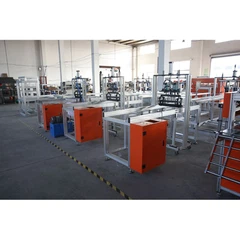
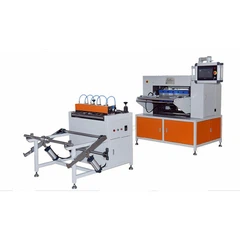

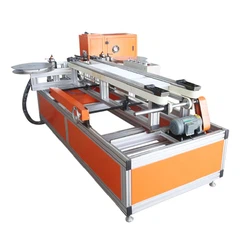
It is not difficult to see the presence of RTO waste gas incinerators in the treatment of high concentration and high air volume organic waste gases in industries such as paint spraying rooms, printing, and petrochemicals. The price of RTO waste gas incinerators is also recognized as high in the industry. Today, let's take a look at the important components of RTO equipment.
The RTO waste gas incinerator uses high-temperature incineration technology, so the materials selected must be able to withstand high temperatures and resist corrosion. The heat resistance and corrosion resistance thickness of the selected support brackets and steel shell plates must also meet the standard before they can be used. The stable operation of RTO waste gas incinerators relies on the selection of these important components. The important components of common RTO waste gas incinerators include the following:
1. Switching and fireproof valves
The switching valve is a key part of the RTO waste gas incinerator for cyclic heat exchange. The switching valve must accurately switch the waste gas within the specified time, and the stability and reliability of the switching valve are crucial.
When the inlet and exhaust ducts are made of metal materials, measures such as flange bridging and system grounding should be taken to prevent the generation and accumulation of static electricity.
2. Heat storage body
The heat storage body exists in the space for heat exchange, which is the heat storage chamber. Its specific structure and size need to be calculated and determined based on factors such as recovery efficiency requirements, structural performance of the heat storage body, system pressure drop, etc. Currently, in RTO waste gas incinerators, there are two chamber, three chamber, five chamber waste gas incinerators, etc. Generally speaking, the more heat storage chambers there are, the higher the purification efficiency. Therefore, the quality of the heat storage body directly affects the waste gas treatment efficiency. The specific heat capacity of the heat storage body in a three tiered environment should not be less than 750J/(kg. k), with a high specific gravity. The installation of the heat storage body should have sufficient gas utilization cross-sectional area, uniform gas distribution, and low resistance. The heat storage body should be selected with the previously mentioned characteristics of high temperature oxidation resistance and chemical corrosion resistance.
3. Control system
If all the key parts mentioned earlier were the body configuration, then the PLC control system is the brain of the RTO waste gas incinerator. The PLC control system can enable the RTO incinerator to achieve automation of waste gas treatment, linkage control of various parts of the equipment, and greatly reduce manual costs.
What are the key components of RTO waste gas incinerator?
Jan 03, 2024
Leave a message